
Is the market finally cooling off, heating up, or somewhere in the middle? If you are thinking about buying or selling in Chino Valley, the answer matters for your timing, pricing, and strategy. The good news is you do not need a crystal ball. A few simple metrics can tell you when the market is balanced and what that means for your next move. In this guide, you will learn the signs of a balanced market in Yavapai County, how to read the numbers, and how to plan with confidence. Let’s dive in.
Balanced market, in plain English
A balanced market happens when supply and demand are roughly even. Homes still sell, but neither side consistently has the upper hand. You might see steady showings, fair negotiations, and listings that go under contract in a few weeks instead of a few days.
For practical purposes, most pros use months of supply to define it. When months of supply sits around 3 to 6, the market is considered balanced. Below 3 often favors sellers, while above 6 tends to favor buyers.
The key metrics to watch
Months of supply
Months of supply tells you how long it would take to sell all active listings at the current sales pace. It blends supply and demand into one number.
- Formula: Active listings ÷ average monthly closed sales
- Typical ranges:
- Under 3 months = seller’s market
- 3 to 6 months = balanced market
- Over 6 months = buyer’s market
Use both a short 3‑month average to spot recent changes and a 12‑month average to smooth out seasonality.
Days on market
Days on market (DOM) tracks how long it takes for a listing to go under contract. Look at the median DOM because it is less affected by outliers. Lower DOM means homes are moving quickly. Higher DOM points to slower demand or pricing that needs adjustment.
List‑to‑sale price ratio
This ratio shows how final sale prices compare to list prices. Around 100 percent suggests fair pricing and healthy demand. Over 100 percent can signal bidding competitions. Under about 98 percent may indicate more negotiation room or softening.
New listings vs pendings
Comparing new listings to new pendings is an early signal. If new pendings keep pace with or outnumber new listings, supply is tightening. If new listings outpace pendings, inventory may build and give buyers more leverage.
How to measure it locally
Getting a clear read for Chino Valley is straightforward if you keep property type, price band, and timeframe consistent.
- Step 1: Pick your lookback. Use the last 3 months for a fresh read and the last 12 months for context.
- Step 2: Count active single‑family listings within Chino Valley. Keep land and manufactured homes separate if you want apples‑to‑apples comparisons.
- Step 3: Find average monthly closed sales for the same area and property type.
- Step 4: Compute months of supply: Active listings ÷ average monthly closed sales.
- Step 5: Pull median DOM and list‑to‑sale ratio for the same lookback. If possible, break results into price bands that matter to you.
Hypothetical example for illustration: If Chino Valley has 120 active single‑family listings and averaged 40 closed sales per month over the last 3 months, months of supply is 120 ÷ 40 = 3.0. That reads as a balanced market. If the median DOM sits around 35 days and the list‑to‑sale ratio is 99 percent, it supports a steady pace with room for reasonable negotiation. These are examples only and should be checked against current local data before you decide.
What it means for you
If the market is balanced
When months of supply sits between 3 and 6, you can expect steady activity and fair negotiations.
Sellers
- Price competitively using recent local sales for your property type and price band.
- Take care of obvious repairs and keep staging simple but clean.
- Be ready to negotiate on small items like minor repairs or closing dates.
Buyers
- Get pre‑approved before you shop so you can act quickly on a good fit.
- Use inspections and realistic timelines. Focus on clean terms rather than extreme escalation.
- Expect some negotiation room on price or credits, but not on every home.
If it tilts to sellers
If months of supply drops under 3, the pace quickens and multiple offers become more common.
- Buyers may need stronger earnest money, shorter deadlines, and fewer contingencies.
- Sellers can push pricing a bit, but accurate pricing still matters for appraisals and buyer confidence.
If it tilts to buyers
If months of supply rises above 6, homes often take longer to sell and price reductions increase.
- Buyers can be selective and may ask for credits or repairs.
- Sellers should be realistic about price and prepared for proactive adjustments.
Chino Valley context to keep in mind
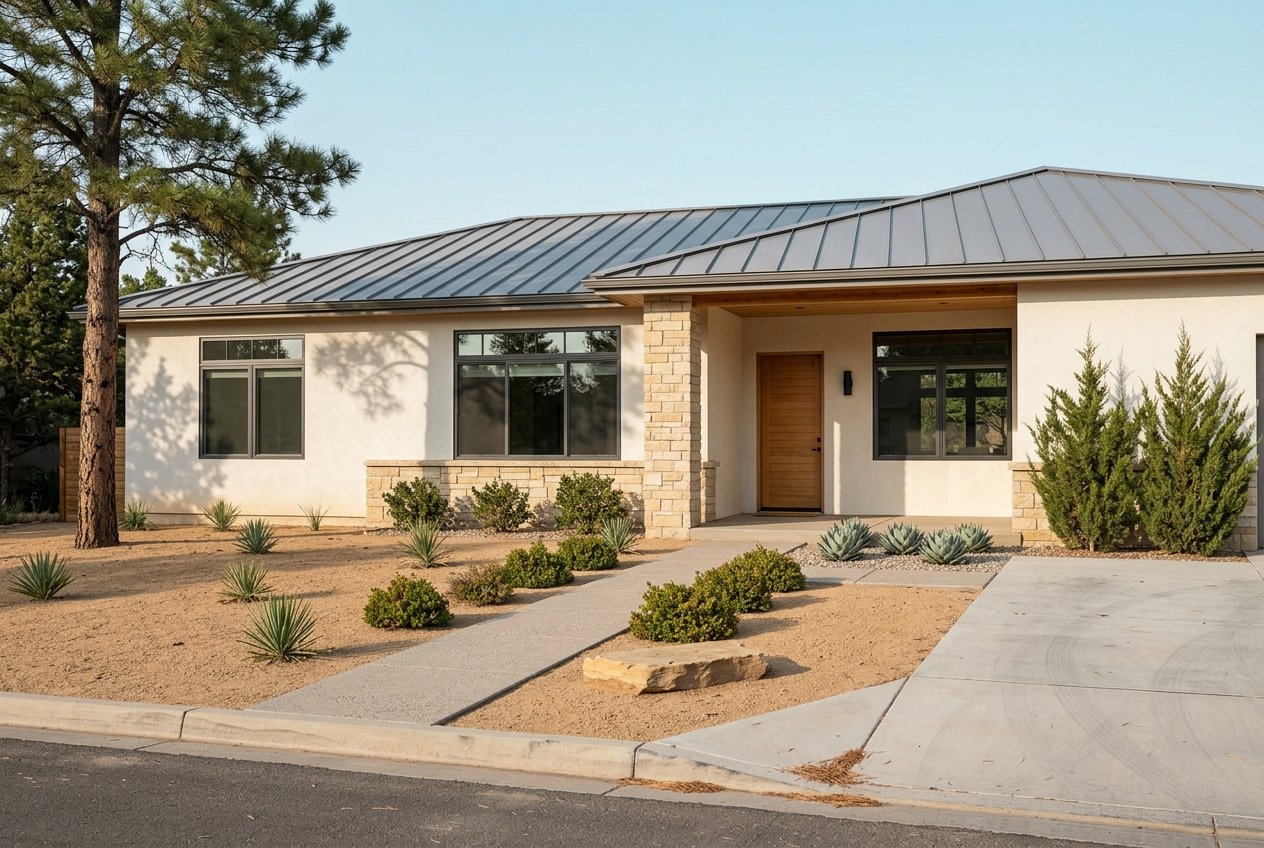
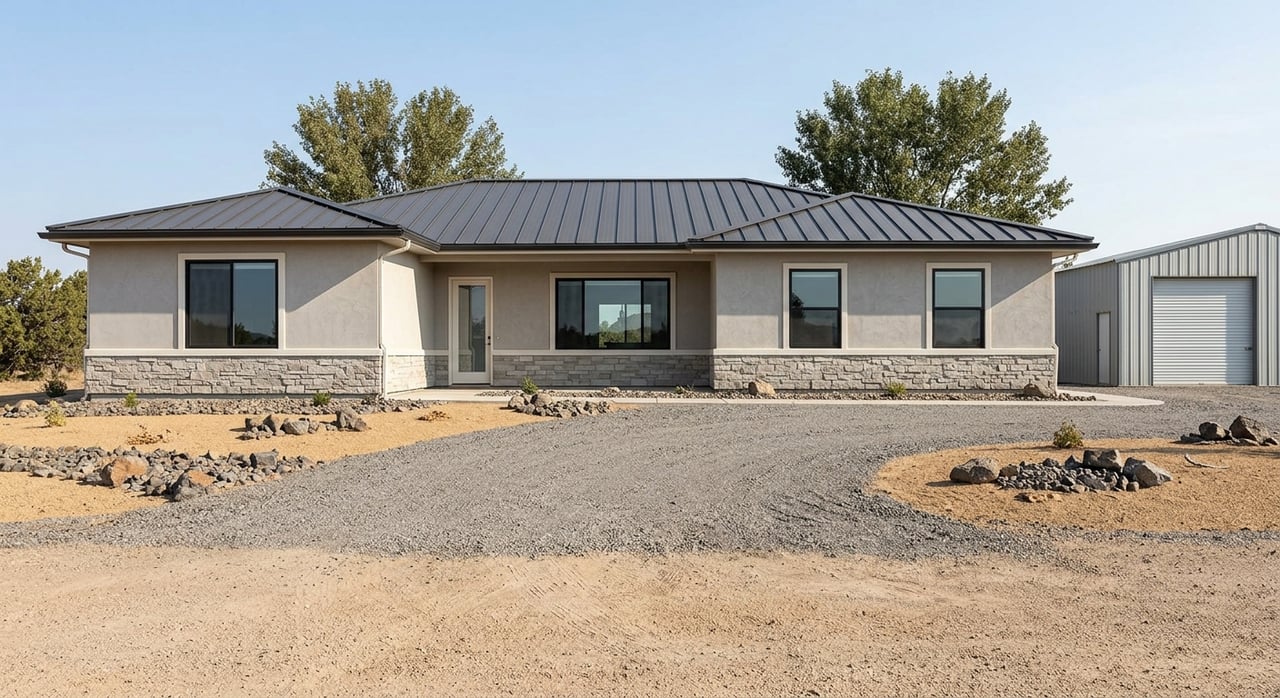
Chino Valley and greater Yavapai County include a wide mix of homes: site‑built single‑family properties, manufactured homes, acreage, and vacant land. These sub‑markets behave differently. Acreage and land typically have longer days on market because the buyer pool is smaller. Manufactured homes and entry‑level properties often move faster when they are priced well and in good condition.
Seasonality matters here. Spring tends to see more new listings and more buyers in motion. In‑migration from larger Arizona metros and second‑home interest can shape demand, especially in price bands tied to lifestyle and retirement moves. Because our area has fewer total transactions than big cities, small changes in inventory or sales can shift months of supply quickly. That is why a 3‑month and 12‑month view together give you a clearer picture.
A quick monthly checklist
Keep your decision‑making simple. Review these each month for Chino Valley single‑family homes:
- Months of supply using both 3‑month and 12‑month averages
- Median days on market
- Median sale price and year‑over‑year change
- New listings vs new pendings for the last 30 and 90 days
- Inventory by key price bands that match your budget or property
Example scenarios to guide expectations
Use these labeled examples to set expectations. Replace them with current local numbers when you are ready to act.
Balanced scenario
- Months of supply: 4.2
- Median DOM: 32 days
- List‑to‑sale: 99 percent
- What it feels like: Two to three showings per week, an offer within a few weeks if priced right, and modest negotiation on repairs or credits.
Seller‑leaning scenario
- Months of supply: 2.1
- Median DOM: 14 days
- List‑to‑sale: 101 percent
- What it feels like: Multiple offers in some price bands, tight timelines, and sellers choosing cleaner terms over small price differences.
Buyer‑leaning scenario
- Months of supply: 7.5
- Median DOM: 55 days
- List‑to‑sale: 97.5 percent
- What it feels like: More selection, longer marketing times, and room for seller credits or closing cost help.
How Rockman Homes can help
Reading the market is one part of the plan. Executing with confidence is the other. As a local, concierge‑style team, we guide you through pricing, preparation, and negotiation in a way that fits your timeline and comfort level.
- For sellers: We provide a current market analysis tailored to your property type and price band, help prioritize repairs, arrange trusted local vendors, and market across MLS and major channels for maximum exposure.
- For buyers: We align your search with realistic inventory, connect you with reputable local lenders for pre‑approval, and structure offers that are strong without overreaching on risk.
- For land, acreage, and manufactured homes: We adjust strategy for unique buyer pools, disclosure needs, and timing, and we manage remote steps if you are out of area.
What to do next
- If you are selling: Get a current CMA and a 3‑month plus 12‑month snapshot for your price band. Tidy, repair, and stage lightly to stand out.
- If you are buying: Secure pre‑approval and set alerts for your target neighborhoods and price. Be ready to tour quickly and compare recent sales.
- Everyone: Track months of supply, DOM, and the new listings vs pendings ratio monthly. Those three will keep you grounded, even when headlines get noisy.
Ready for a clear read on today’s Chino Valley market and a plan that matches your goals? Connect with the local team that treats every move with concierge‑level care. Let’s talk at Rockman Homes.
FAQs
What is a balanced market in Yavapai County?
- A balanced market typically shows 3 to 6 months of supply, steady showings, and fair negotiations where well‑priced homes receive offers within a few weeks.
How do I calculate months of supply for Chino Valley?
- Divide the number of active single‑family listings by the average monthly closed sales for the same area and timeframe, using both 3‑month and 12‑month averages.
How long does it take to sell in a balanced market?
- Use the local median days on market for your price band; in a balanced setting, many well‑priced homes receive offers within a few weeks, while acreage can take longer.
What can a buyer negotiate in a balanced market?
- Buyers often have modest room for price adjustments or seller credits, but concessions depend on inventory, property condition, and how well the home is priced.
Which market metrics should I track each month locally?
- Watch months of supply, median days on market, median sale price trends, new listings vs pendings, and inventory by key price bands relevant to your budget or property.