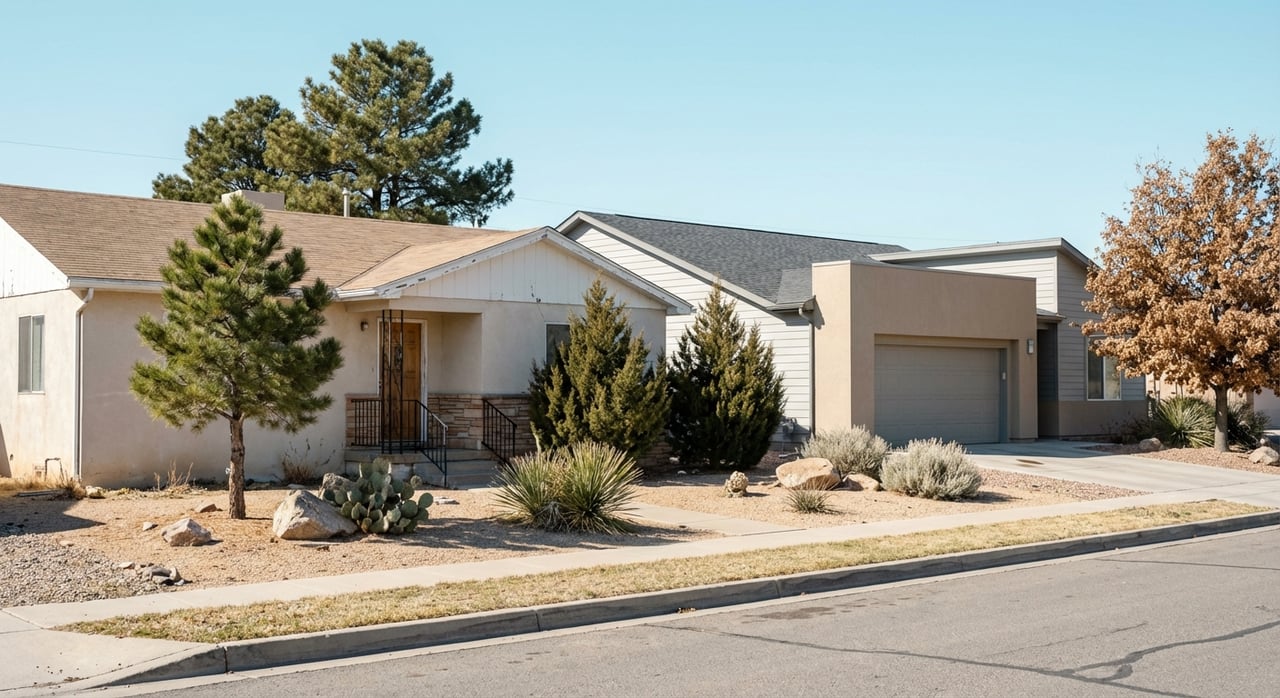
Torn between Prescott Valley and Prescott for your next move? You are not alone. These neighboring Arizona towns share views, weather, and small‑town charm, but they feel different once you start touring homes and planning your day. In this guide, you will compare housing styles, prices, commutes, schools, healthcare, taxes, wildfire considerations, and everyday lifestyle so you can choose the place that fits you best. Let’s dive in.
Quick take: how they differ
- Vibe and town feel: Prescott offers a historic, walkable core with a classic downtown scene. Prescott Valley leans newer and suburban with convenient parks and events.
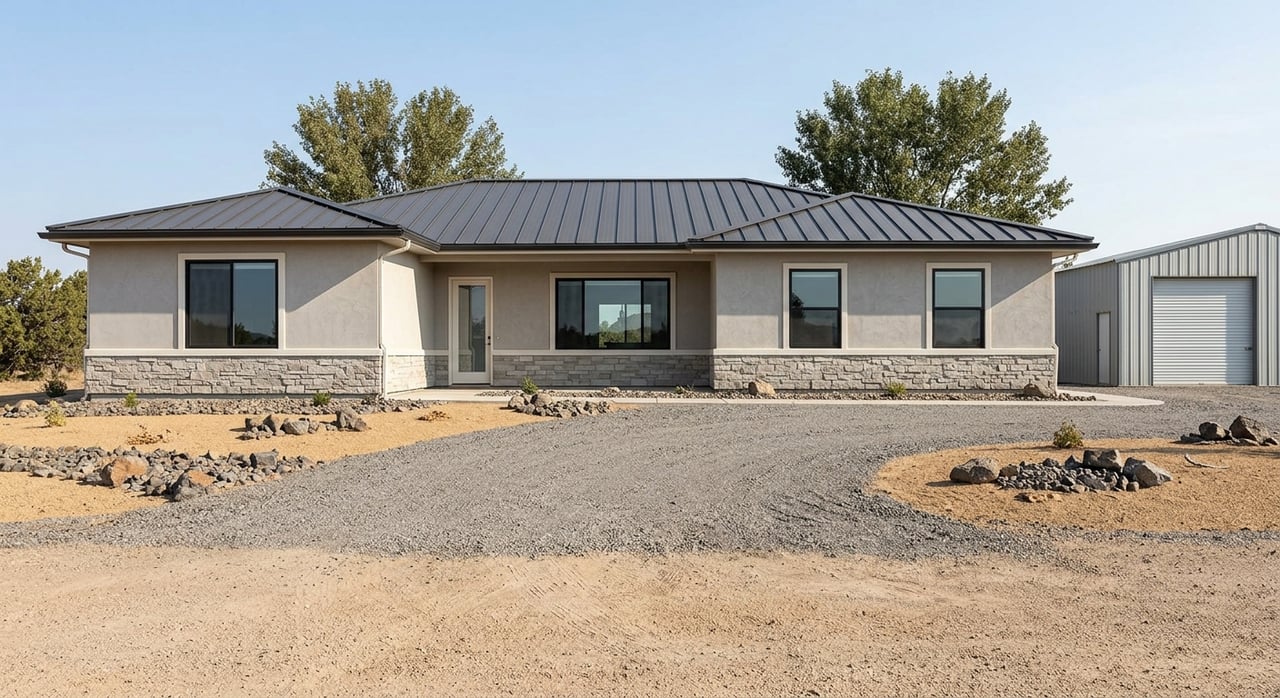
- Typical housing: Prescott has older homes near downtown plus hillside and scenic options. Prescott Valley features newer subdivisions, townhomes, and some acreage on the edges.
- Price snapshot: Recent third‑party snapshots show Prescott Valley’s median sale price trending lower than Prescott. Always confirm with current MLS data for your exact neighborhood and time frame.
- Size and growth: Both towns are similar in population, each around 50,000 residents based on recent estimates for 2024. You can review population details in the U.S. Census QuickFacts for Prescott Valley for context.
- Commute and errands: Daily cross‑commutes between the towns are common. Most drives are 15 to 25 minutes depending on start and end points.
Housing and price snapshot
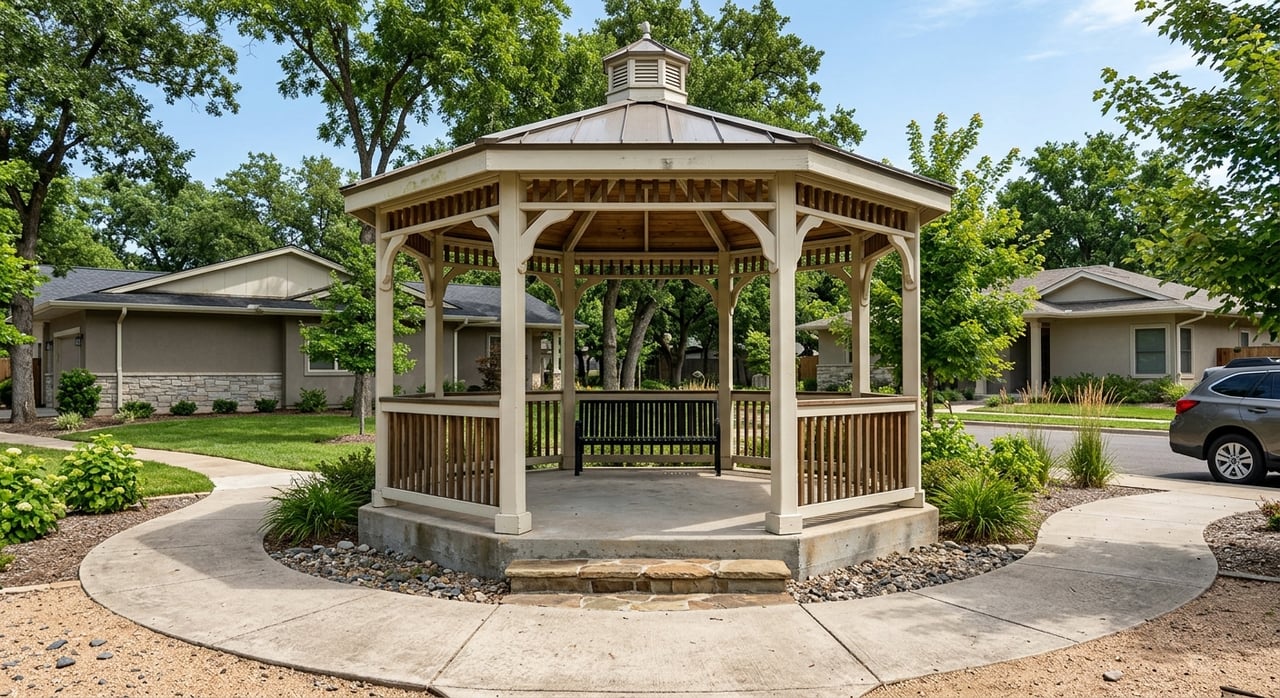
Prescott and Prescott Valley serve different buyer priorities. Prescott’s core neighborhoods include historic homes near Courthouse Plaza and streets lined with older bungalows and Victorians. You will also find single‑family neighborhoods and hillside properties with scenic settings. Prescott Valley’s neighborhoods are typically newer. Think master‑planned subdivisions, tract homes, townhome clusters, and a growing mix of parks and trails.
Recent aggregator snapshots suggest a price gap between the two. As of January 2026, Redfin’s estimates showed a median sale price near the mid‑$400,000s in Prescott Valley and the upper‑$500,000s in Prescott. Provider methods and dates differ, so treat these as ballpark comparators rather than fixed facts. For a decision, you will want current MLS numbers for the exact neighborhoods you prefer.
The broader market cooled from the pandemic peak, which gave buyers more leverage in many segments. Local summaries show longer days on market and more room to negotiate in 2025 compared with 2020 to 2021. You can review a recent year‑in‑review for Prescott Valley’s market for added context on tempo and inventory. Stacker’s 2025 housing review offers a useful snapshot.
What you find in Prescott Valley homes
- Newer single‑family homes with practical floor plans and modern systems.
- Townhomes and low‑maintenance options that suit busy schedules.
- More new‑construction and master‑planned choices than historic Prescott.
- Some outlying acreage and horse‑friendly areas.
- HOAs are common in newer subdivisions. Always review CC&Rs, amenities, and dues.
What you find in Prescott homes
- Historic bungalows, cottages, and condos near downtown.
- Established single‑family neighborhoods with mature landscaping.
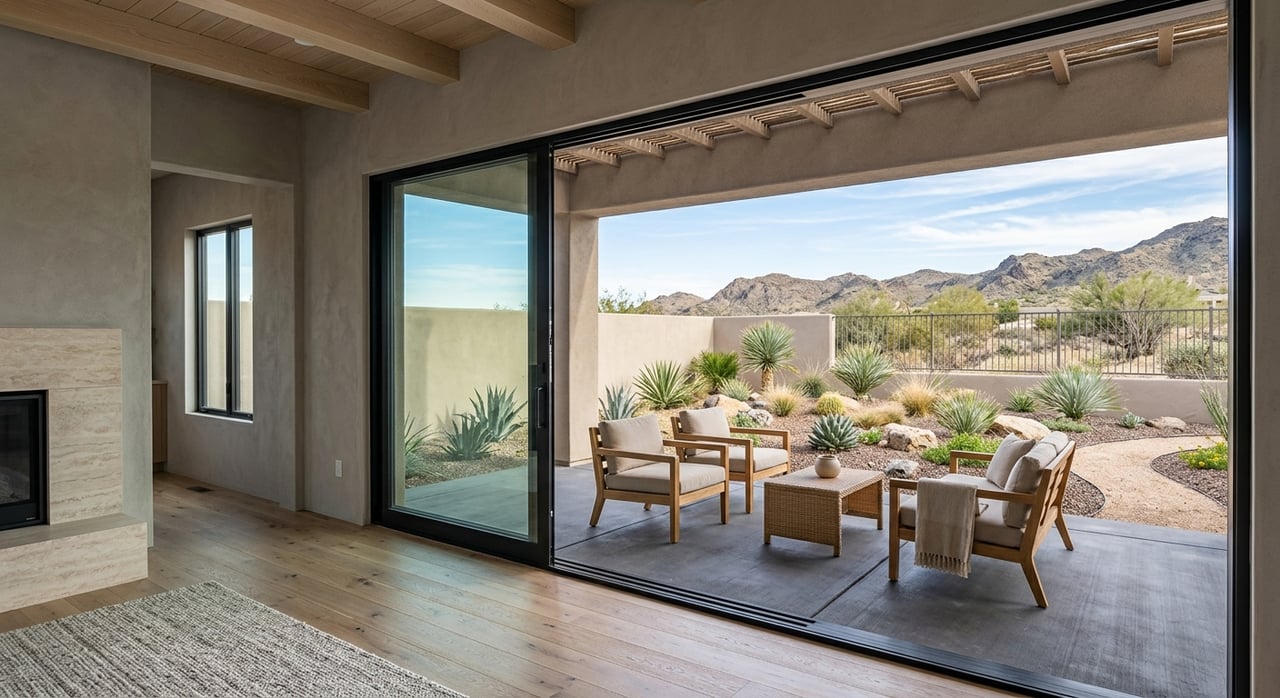
- Scenic homes near lakes and rock formations, plus hillside properties.
- HOAs are less common around the historic core, more common in newer pockets.
Daily logistics: commutes, travel, utilities
Getting around locally
Prescott Valley sits just east of Prescott, and many residents commute between the two. Depending on your start and end points, expect about 15 to 25 minutes for typical cross‑town trips. If you work, shop, or go to school across the corridor, both towns can function as home base.
Trips to Phoenix and beyond
Travel to the Phoenix metro is a longer run. Plan for roughly 100 miles and about 1 hour 45 minutes to 2 hours by car in normal conditions. For planning, you can review route times between Prescott and Phoenix at Wanderlog’s drive guide.
For flights, Prescott Regional Airport (PRC) offers limited commercial routes and general aviation. It is convenient for short hops but has fewer nonstops than Phoenix Sky Harbor. See aircraft and facility information for PRC at Airnav’s KPRC page.
Utilities and water
Water planning matters in Arizona. Prescott Valley operates a municipal utilities program and publishes updates on supply, conservation, and projects. If you are evaluating a new subdivision or an infill lot, review the town’s utilities and water resources pages for current policies and projects. Start here: Town of Prescott Valley Utilities.
Healthcare access
Both towns have direct access to Yavapai Regional Medical Center. YRMC East is located in Prescott Valley, and YRMC West is in Prescott. If being close to a hospital is a priority, you can map each campus relative to your preferred neighborhood. Learn more about locations and services at Dignity Health’s YRMC resource page.
Schools and education basics
School boundaries depend on where you live. Most Prescott Valley addresses are served by Humboldt Unified School District, and most Prescott addresses are served by Prescott Unified School District. Always verify your specific address against official boundary maps and check current enrollment or capacity if that affects your plans. The City of Prescott’s new resident page provides district references and local contacts. You can also review state or district reports and independent resources such as GreatSchools for neutral data points.
Lifestyle and amenities
Prescott vibe
If you love walkability and historic character, Prescott’s core can be a strong match. Courthouse Plaza and nearby streets host events year‑round, with shops, restaurants, and galleries within a compact area. The town’s lakes, rock formations, and trailheads are close to many neighborhoods, which makes quick hikes and evening walks part of daily life.
Prescott Valley vibe
If you prefer new‑home convenience and community programming, Prescott Valley leans in. You will find family‑friendly parks, sports fields, and trails, plus year‑round events and larger indoor shows at the Findlay Toyota Center. The town continues to invest in parks and open space. Explore current amenities and trail ideas through the Prescott Valley Parks and Recreation page.
For regional culture, remember that both towns share access to festivals, including the historic Frontier Days events in Prescott. You can scan event details and dates through local guides such as the official rodeo resource on Prescott Frontier Days, “World’s Oldest Rodeo”.
Taxes, HOAs, and ownership costs
- Property taxes: Yavapai County’s effective property tax rates are often lower than many U.S. counties, commonly in the range of about 0.3 to 0.6 percent, but the final bill depends on the parcel and its mix of taxing districts. Review parcel‑level details with the county assessor and tax portal. See county context at Tax‑Rates.org’s Yavapai page.
- HOAs and CC&Rs: HOAs are more common in newer master‑planned neighborhoods in both towns, with Prescott Valley offering many such options. Historic areas near downtown Prescott may have fewer HOAs. Always review HOA rules, dues, and CC&Rs before you write an offer.
Who might prefer which?
- Families with school‑age kids: Prescott Valley often offers newer homes with yards near parks and programming, plus practical proximity to schools. In Prescott, you may trade newer construction for closer access to downtown and nearby lakes. Always confirm school boundaries and bus routes for your address.
- Downsizers and retirees: If walkability and culture are top priorities, downtown Prescott’s condos, townhomes, and small‑lot homes put you close to events, shops, and medical services. Prescott Valley offers low‑maintenance newer builds and townhomes with easy access to parks and YRMC East.
- Remote and hybrid workers: Both towns can work well. Prescott Valley commonly offers newer floor plans with a true office and more inventory at mid‑range budgets. Prescott provides a lively downtown setting and short drives to trails and lakes.
How to choose your best fit
Use this quick plan to compare places on your terms:
- Dial in your budget. Ask for neighborhood‑level median prices and six‑month comps in both towns. Aggregator medians offer direction, but MLS comps are the gold standard.
- Pick your daily lifestyle. Decide if you want historic streets and a walkable core or a newer home near parks, fields, and an events center.
- Map real commutes. Time your door‑to‑door drives for school, work, and errands during your normal hours.
- Verify schools. Confirm district boundaries, transportation, and enrollment for your exact address.
- Estimate total cost. Review property taxes, HOA dues, and likely utilities for each short‑listed home.
- Check wildfire factors. Ask about defensible space and mitigation in your target neighborhood.
- Tour at different times. Visit morning, midday, and evening to feel traffic, light, and neighborhood rhythm.
Wildfire risk and readiness
The Prescott region sits in a fire‑prone landscape. Local and federal partners fund Community Wildfire Protection Plans and ongoing fuels reduction. Before you buy, review defensible‑space rules, any nearby burn history, and current mitigation projects that affect your area. The U.S. Forest Service posts updates and funding summaries you can use as a starting point. See this regional overview on USFS wildfire mitigation and grants.
Ready for next steps?
Choosing between Prescott Valley and Prescott comes down to fit. If you want newer homes, parks, and value, Prescott Valley often delivers. If you want historic character, a compact downtown, and scenic pockets, Prescott may be your match. Either way, you deserve clear data and a calm, concierge‑style process.
If you are comparing neighborhoods or want MLS‑fresh pricing by zip code, reach out to our local team. We will map commutes, verify school boundaries, review parcel‑level taxes, and line up tours that match your priorities. Let’s talk about your goals with Rockman Homes.
FAQs
What are current median home prices in Prescott Valley vs Prescott?
- Third‑party snapshots for January 2026 put Prescott Valley near the mid‑$400,000s and Prescott near the upper‑$500,000s. Always confirm with current MLS comps for your target neighborhood and months.
How long is the commute between the two town centers?
- Plan for about 15 to 25 minutes depending on start and end points and the time of day. Many residents commute between the towns daily.
How far is the Prescott area from Phoenix and the airport?
- It is roughly 100 miles to Phoenix, often 1 hour 45 minutes to 2 hours by car. Prescott Regional Airport offers limited commercial service for regional trips.
Which school districts serve these areas?
- Most Prescott Valley addresses fall in Humboldt Unified School District, while most Prescott addresses fall in Prescott Unified School District. Always verify boundaries for your exact address.
Are HOAs common in Prescott or Prescott Valley?
- HOAs are more common in newer master‑planned neighborhoods, especially in Prescott Valley and newer Prescott developments. Review CC&Rs and dues for each listing.
What should I expect for property taxes in Yavapai County?
- Effective rates often range around 0.3 to 0.6 percent, but actual bills vary by parcel and taxing districts. Check the county assessor and tax portal for the exact property you are considering.
Is wildfire a concern when buying in this region?
- Yes, it is a natural risk. Ask about defensible‑space requirements, local mitigation work, and any recent burn history near your target neighborhood before you buy.