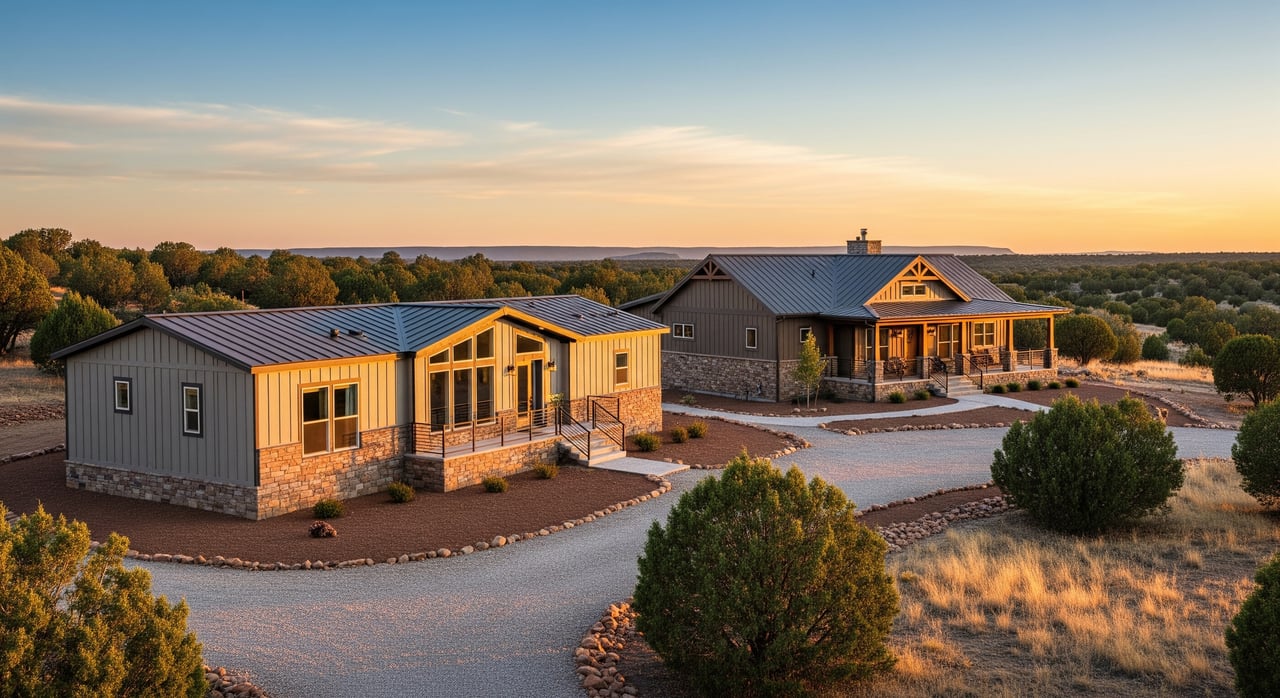
Trying to decide between a manufactured home and a site-built house in Chino Valley? You are not alone. Many buyers and 55+ downsizers here want lower costs and easier living, but they also care about financing, land, and long-term value. In this guide, you will get a clear, plain-English comparison tailored to Chino Valley and Yavapai County, from cost breakdowns to title and resale. Let’s dive in.
What “manufactured” means
A manufactured home is built in a factory to the federal HUD Code, then delivered and installed on your lot. It can be single or multi-section. When it is permanently affixed to land and the title is surrendered under Arizona rules, it can be treated as real property for financing and taxes.
A mobile home usually refers to pre-1976 units built before the HUD Code. These can have different codes and financing or resale implications.
A site-built home is constructed on the property to local and state building codes, often the International Residential Code. Site-built homes are titled as real property by default.
Two terms matter for manufactured homes: chattel versus real property. If a manufactured home is not permanently affixed or sits on leased land, it is often financed as personal property with a chattel loan. If it is on owned land with a qualifying permanent foundation, you may be able to use a mortgage. This difference affects loan choices, interest rates, taxes, and marketability.
Chino Valley context to know
Chino Valley is semi-rural, with many larger lots and parcels outside town utilities. That can make manufactured homes on private land appealing. It also means you need to plan for well and septic systems if the property is not on municipal service.
The high-desert climate brings wildfire considerations in parts of Yavapai County. Fire-resistant materials, defensible-space planning, and insurance availability are factors to weigh at the parcel level.
Zoning and placement rules apply. Yavapai County and the Town of Chino Valley set standards for where manufactured homes are allowed and how they must be installed. Always confirm current requirements with local planning and building departments.
Cost breakdown in Chino Valley
Purchase price and price per square foot
Manufactured homes typically have a lower purchase price and lower cost per square foot than new site-built homes of similar size and basic finishes. Site-built homes usually cost more upfront, but they allow more customization and historically have shown stronger long-term appreciation in many markets. Local price differences change over time, so compare current listings and recent sales.
Land and site preparation
In Chino Valley, site costs can be the largest swing factor. If you are buying land and placing a manufactured home, budget for:
- Lot purchase costs and closing fees.
- Grading, driveway work, erosion control, and brush clearance for wildfire mitigation.
- Foundation options. A permanent foundation costs more than piers, but it is often required for mortgage financing and real-property classification.
- Utilities. Plan for power connection, well drilling or municipal hookup, septic installation or sewer connection, propane or gas lines, and internet choices that fit rural areas.
- Permits and inspections. Expect county building permits and inspections for septic, well, and electrical or plumbing.
These expenses apply to site-built homes too, though they are typically integrated into the overall construction process. The key is to build a full budget that includes land, site work, and the structure itself.
Delivery, installation, and setup
Manufactured homes come with delivery and setup steps. Multi-section homes may need a crane or lift. You will also need tie-downs, anchoring, skirting, HVAC installation, and entry steps or porches. Include these in your total project timeline and budget.
Ongoing costs: taxes, insurance, and fees
- Taxes. If your manufactured home is permanently affixed and the title is surrendered, the county typically taxes it like other real estate. If it is personal property, different tax rules may apply. Verify with the county assessor.
- Insurance. Manufactured homes can have higher premiums in some cases. If the home sits in a park, coverage needs are different. Wildfire, wind, and flood risk on the parcel also influence rates.
- Lot lease or park fees. If the home is in a manufactured-home community, plan for monthly lot rent and community rules.
- Maintenance. Manufactured homes can be simpler to maintain. Pay attention to roof condition, skirting, tie-downs, and chassis components. Site-built homes often have longer life cycles on major components, but maintenance still varies by materials and systems.
Typical timelines
- Manufactured: Factory build, transport, site prep, and installation often take weeks to a few months, not counting land purchase and permitting.
- Site-built: On-site construction commonly takes 6 to 12 months after permits are issued, longer for full custom builds.
Financing options and title
Your financing path depends on how the home is installed and who owns the land.
- Chattel loans. Used when a manufactured home sits on leased land or is not permanently affixed. Terms are usually shorter and rates higher than mortgages.
- Mortgages for manufactured homes. Conventional, FHA, VA, and USDA programs may be available if the home meets requirements. Common needs include a HUD-code home, permanent foundation, and borrower-owned land.
- FHA programs include Title I for personal property and Title II for real property when the foundation and standards are met.
- VA financing can apply to manufactured homes that are permanently affixed on owned land and meet VA rules.
- USDA Rural Development may offer options in rural areas for manufactured homes on owned land with permanent foundations.
Expect your lender to verify the foundation, review the HUD Data Plate and certification labels, and order an appraisal that uses local comparable sales. If the home is in a park with a lot lease, mortgage options may be limited, and resale or refinancing can be more complex.
Title, surrender, and documents to confirm
If a manufactured home is permanently installed, some buyers choose to surrender the home’s title so it is treated as real property with the land. Procedures are state and county specific, so confirm the steps with local offices. Keep key documents organized: HUD Data Plate, serial or VIN, any foundation certification, installation permits, and maintenance records.
Resale and value factors
In many markets, site-built homes attract a wider buyer pool and have shown stronger historical appreciation. Manufactured homes can have narrower resale markets, especially older units or homes on leased land. That said, newer HUD-code manufactured homes on owned land with permanent foundations and solid site improvements can perform well and may appreciate with the land.
In Chino Valley, buyers often value single-level living, affordability, and larger lots. That helps both modest site-built homes and newer manufactured homes on owned land. Your future resale will depend on lot ownership versus lease, installation quality, the condition of the home, and how it compares to nearby properties.
To improve resale appeal, focus on a permanent foundation, clean and modern skirting, energy-efficient HVAC, well-documented maintenance, and thoughtful landscaping. Where relevant, consider accessibility updates and wildfire-hardening measures.
Fit for 55+ downsizers
For many 55+ buyers, a manufactured home on owned land checks key boxes: single-level layout, lower initial cost, faster move-in, and manageable maintenance. Site-built homes can also deliver single-level comfort and long-term equity potential.
If you are downsizing in Yavapai County, prioritize easy access, energy performance, and low upkeep. Manufactured homes can be easier to modify for accessibility, such as adding ramps or zero-step entries. In all cases, compare total cost, including site work, insurance, and financing terms, then weigh that against your timeline and long-term plans.
Permits and local checks
Before you commit to a property, confirm zoning allowances for a manufactured home on the parcel, including minimum lot size, setbacks, and any community rules. Secure building and installation permits, plus septic and well permits if needed. Ask about required inspections for foundations and other systems.
Because wildfire is a local concern, learn what defensible-space rules apply and budget for brush clearance. If you are considering a home in a manufactured-home community, review the lease, park rules, age restrictions if any, and utility arrangements.
Buyer checklist
Use this quick checklist for each property you consider in Chino Valley:
- Ownership and title
- Is the home personal property or real property? If manufactured, has the title been surrendered?
- Do you have the HUD Data Plate, certification labels, and any title documents?
- Land details
- Is land included, and what are the zoning and setback rules?
- Any deed restrictions, HOA covenants, or community standards?
- Foundation and installation
- Is there a permanent foundation and a foundation certification if needed for financing?
- Are tie-downs, skirting, and ventilation in good condition?
- Utilities and site
- Water source: well or municipal. If a well, note depth, yield, and any permits or registrations.
- Wastewater: septic permits, capacity, and maintenance history.
- Power service size, propane or gas setup, and solar considerations.
- Internet and cellular coverage options at the location.
- Financing and insurance
- Which loan type fits: chattel, conventional, FHA, VA, or USDA?
- Obtain insurance quotes for hazard, wind, and wildfire risks.
- Resale and comparables
- Review recent sales of comparable manufactured and site-built homes in Chino Valley.
- Check typical days on market for each property type.
- Park specifics if applicable
- Lot rent history, caps on increases, transfer rules, and community reserves or amenities.
Timelines to move-in
If speed matters, a manufactured home can often get you moved in faster once permits and site work are ready. Factory construction and transport, followed by setup, can take weeks or a few months. A site-built home often takes 6 to 12 months from permits to completion, and longer for full custom designs. Your schedule and financing window may point toward one path or the other.
How to choose the right path
If you value the lowest upfront cost and faster delivery, consider a HUD-code manufactured home on owned land with a permanent foundation. That setup improves financing options and future resale. If you prefer broader financing choices and long-term equity potential, a site-built home may fit best.
Either way, compare the full picture: purchase price, site work, permits, utility costs, insurance, and loan terms. Then weigh lifestyle fit, wildfire exposure, and resale prospects using local comps.
Local guidance you can trust
You deserve a smooth process and clear answers. As a boutique real estate concierge serving Chino Valley and greater Yavapai County, our team helps you price out land and site work, coordinate inspectors and contractors, and navigate financing options for both manufactured and site-built homes. We also support 55+ buyers with patient guidance, accessibility ideas, and timelines that fit your move.
Ready to compare your options in Chino Valley and find the right fit? Let’s talk about your goals with the local team that handles land, acreage, manufactured homes, 55+ communities, and site-built properties. Reach out to Rockman Homes to get started.
FAQs
What is the difference between manufactured and site-built homes in Chino Valley?
- Manufactured homes are factory-built to the HUD Code and delivered for installation, while site-built homes are constructed on the property to local building codes and are titled as real property by default.
Can I get a mortgage on a manufactured home in Yavapai County?
- Yes, if the home meets program standards, which commonly include a HUD-code unit on a permanent foundation with borrower-owned land; otherwise, chattel loans are an option.
How do land and site costs affect manufactured home budgets?
- Land, grading, permanent foundation work, well and septic, utility hookups, and permits can add significantly to the total project cost and should be estimated upfront.
Are there restrictions on placing manufactured homes in Chino Valley?
- Zoning and placement rules vary by parcel; confirm with Yavapai County and the Town of Chino Valley to ensure your lot and installation plan comply with current standards.
Which is cheaper overall: manufactured or site-built in Chino Valley?
- Manufactured homes typically cost less upfront and can be faster to complete, but total costs depend on land, site prep, utilities, and loan terms; compare real local numbers.
What matters most for resale of manufactured homes locally?
- Owned land, a permanent foundation, quality installation, updated systems, and good maintenance records improve marketability and can support stronger resale outcomes.