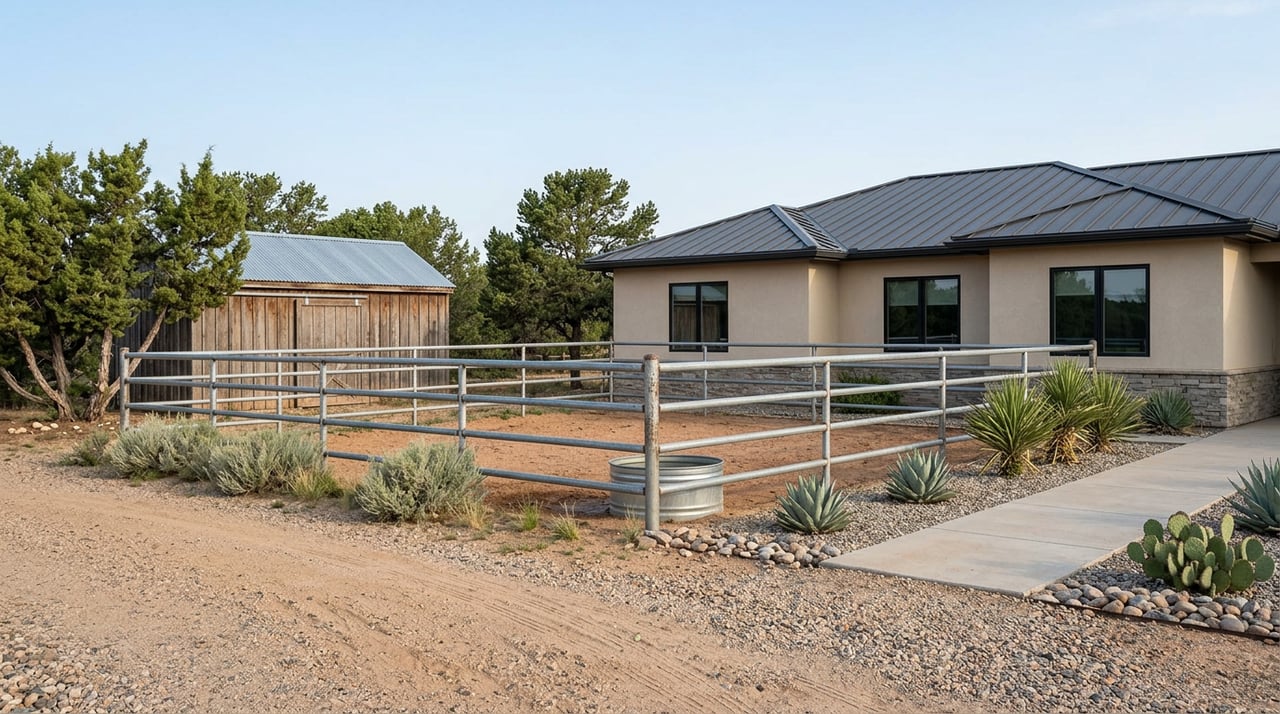
Looking for a horse or acreage property in Chino Valley but not sure where to start? You are not alone. Between zoning differences, water rules in the Prescott AMA, and practical ranch setup needs, there is a lot to confirm before you buy. This guide breaks it down so you can shop with confidence and focus on the lifestyle you want. Let’s dive in.
Where you can keep horses in Chino Valley
Not every parcel in Chino Valley allows livestock, and the rules change depending on whether a property is inside Town limits or in unincorporated Yavapai County.
Town zoning basics
Inside the Town of Chino Valley, the Unified Development Ordinance (UDO) regulates non-household animals, including horses. Equestrian uses are allowed only in certain zoning districts, and each district has different minimum lot sizes and accessory structure rules. Review the Town’s categories such as AR-5 and AR-36, along with specific standards for barns, arenas, corrals, setbacks, and manure controls. Start with the Town’s UDO to confirm permitted uses and minimum lot sizes for your target parcel. You can read the relevant sections in the Town’s UDO here: Town of Chino Valley UDO.
County rules for unincorporated areas
If the property sits outside Town limits, the Yavapai County Planning and Zoning Ordinance applies. The County’s Allowed Animal Chart groups animals by category. Horses are included, with numbers tied to the parcel’s density district, such as RCU-2A or 5A. Setbacks, lot coverage, and accessory building standards also vary by district. Review the county ordinance to see how animal allowances and structures apply to the specific density district: Yavapai County Planning and Zoning Ordinance.
How to confirm your parcel’s rules
Jurisdiction can be confusing. A mailing address that says Chino Valley might still be in the County. Ask your agent to verify whether a property is inside Town limits or in unincorporated Yavapai County, and to request a zoning verification letter when needed. Yavapai County offers a helpful information page with links to GIS and zoning contacts: Zoning Information and Contacts. For Town parcels, you can find contacts and links through the Town of Chino Valley website. Also review any recorded CC&Rs or HOA rules, which can be stricter than local code.
Water and wastewater basics for acreage
Water and wastewater are two of the most important topics for rural buyers. In the Prescott Active Management Area, they deserve special attention.
Wells in the Prescott AMA
Chino Valley is inside the Prescott Active Management Area (PrAMA), so certain groundwater withdrawals and new wells follow state AMA rules. Arizona recognizes two main well types for rural buyers. An exempt domestic well serves non-irrigation uses and is equipped for a maximum pumping capacity of 35 gpm or less. Non-exempt wells exceed that capacity or serve other uses and come with additional metering and reporting requirements in AMAs. You must file a Notice of Intent before drilling, and documentation varies by location and parcel size. Review the state’s overview here: ADWR well drilling rules for Arizona.
Yavapai County Environmental Services also reviews well applications for parcels 5 acres and smaller and coordinates with ADWR on NOIs. Ask for copies of the ADWR well records, the driller log, and any county review for the site. County well-permitting information is here: Yavapai County well permits.
Test water quality, not just flow
Beyond flow rate, you should confirm basic water quality. In parts of Yavapai County, arsenic can occur naturally. Ask the seller for recent lab tests and the well completion report showing depth, static level, and any pump test data. If results are outdated or missing, plan to test for bacteria, nitrates, and arsenic during escrow. For a simple primer aimed at well owners, see this guidance: Arizona well owner basics.
Septic systems and permits
Most horse and acreage properties use septic. Verify the system type, the permitted design capacity based on bedroom count, the last service date, and any upgrades or repairs. Request the county septic permit and a recent inspection. Yavapai County provides permit details and contacts here: Onsite wastewater (septic) permits.
Fencing, pastures, and equine infrastructure
A safe, workable setup often matters more than square footage on paper. Pay attention to compliance and condition.
Fencing rules and safety
Town codes typically allow electric fencing only where livestock are permitted and often require signage. County codes set fence height limits by yard area and encourage wildlife-friendly designs in some cases. Inspect boundary ownership, note where fences cross easements, and look for safe materials for horses, such as pipe and top rail or smooth-wire with visible top rails. For the specific language, see the Town UDO and the Yavapai County ordinance.
Pasture capacity versus legal allowances
What you can keep by code is not the same as what your acreage can actually support. In semi-arid central Arizona, forage productivity is limited and many owners supplement with hay. Plan for rotation and dry-lot options to protect pasture health. These strategies are explained in practical grazing resources like this overview on paddock design and rotational systems: Multi-paddock grazing and fencing basics. Remember that the County’s animal chart shows the legal maximums, not the sustainable stocking rate for your soil and rainfall.
What to inspect in barns and arenas
Look for:
- Barn and stalls: size and condition, ventilation, drainage, and safe egress. Twelve-by-twelve stalls are a common benchmark.
- Tack and feed storage: dry hay storage with good airflow, a secure grain room, and rodent control.
- Water: automatic troughs, frost protection for winter, and backup storage.
- Turnouts and paddocks: shelter in each paddock, cross-fencing for rotation, and drainage around high-traffic areas.
- Arena and exercise space: footing quality, drainage, and clear visibility of fencing.
- Handling and access: trailer parking, loading areas, and room to turn big rigs without stress.
Riding access, services, and local risk
A great Chino Valley setup balances at-home convenience with easy access to public lands and reliable services.
Trails and public lands
Many owners trailer a short distance to ride in Prescott National Forest near the Chino Valley Ranger District. Always confirm current trail rules, gate status, and seasonal fire restrictions before you go. The Forest Service publishes local notices and updates here: Prescott National Forest news and updates.
Wildfire and insurance
Wildfire is a real factor in this region. Ask about defensible space practices, proximity to heavy fuels, and whether the local fire district has guidance that affects your property plan. Check insurance availability for barns and outbuildings and discuss coverage for livestock if that applies to your situation. Forest and county notices on fuel-reduction projects can temporarily affect road access and smoke conditions.
Buyer checklist for horse and acreage properties
Use this list to focus your due diligence and keep your purchase on track.
Jurisdiction and zoning
- Confirm if the parcel is inside Town limits or unincorporated County. Use county GIS and request a zoning verification letter if needed: Zoning contacts and GIS.
- Verify the zoning district and permitted equestrian uses in the Town’s UDO: Chino Valley UDO.
- Ask for recorded CC&Rs or HOA rules that could limit horses or outbuildings. For Town contacts and links, visit the Town of Chino Valley site.
Water and wells
- Request the ADWR well log, pump test results in gpm, static water level, and the completion date. Clarify if the well is exempt or non-exempt in the Prescott AMA: ADWR well drilling overview.
- If drilling on a small parcel, confirm county review and NOI coordination: Yavapai County well permits.
- If lab results are not current, test for bacteria, nitrate, and arsenic: Arizona well owner basics.
Septic and wastewater
- Get the septic permit, system type, design capacity by bedrooms, and a current inspection: Onsite wastewater permits.
Fencing and structures
- Verify who owns boundary fences, check construction and condition, and confirm any electric fencing has required signage.
- Confirm that barns, arenas, and other outbuildings were permitted as built. Review setback and accessory use rules in the county ordinance.
Pasture and forage
- Ask how many horses have been kept on the property, how grazing was managed, and how much hay was needed. Consider rotation and dry-lot options: Paddock design and rotational grazing.
Access and easements
- Confirm legal access, driveway maintenance, and any private road or gate agreements. Ask about trail access roads that may cross private land.
Environmental and hazards
- Check floodplain status, previous mining claims nearby, and wildfire mitigation. Follow seasonal notices from the Forest Service: Prescott National Forest updates.
Smart contract contingencies
Consider adding these items to protect your purchase:
- Seller to provide current well log and pump test, plus passing bacteriological and contaminant tests for arsenic and nitrate.
- Seller to provide septic permit and a recent inspection report.
- Seller to provide copies of recorded CC&Rs and HOA rules.
- Seller to provide a signed list of outbuildings with building permits or disclosures about any unpermitted structures.
- Order a specialized equine property inspection for barns, stalls, drainage, and fencing. If you plan upgrades, consider soils or perc checks and a boundary survey.
Ready to find the right acreage and horse setup in Chino Valley and the Prescott area? With a concierge approach and deep local networks, our team will guide your due diligence and keep your move simple. When you are ready to walk properties, ask questions, or build a plan, reach out to Rockman Homes. Let’s talk about your goals.
FAQs
What zoning allows horses in the Town of Chino Valley?
- Horses and other non-household animals are allowed only in specific Town zoning districts with minimum lot sizes and accessory use rules; confirm your parcel in the Town UDO and verify any CC&Rs.
How do exempt and non-exempt wells differ in the Prescott AMA?
- Exempt domestic wells are equipped for 35 gpm or less and serve non-irrigation uses; non-exempt wells exceed that or serve other uses and have added AMA requirements; see ADWR’s overview.
What should I test for in a private well in Yavapai County?
- Ask for recent lab results and test for bacteria, nitrate, and arsenic, plus review the well log for depth, static level, and pump test data; this Arizona well owner guide explains the basics.
Do I need permits for barns, arenas, and fencing in the County?
- Accessory structures follow zoning district standards for setbacks and coverage, and fencing must meet height and safety standards; check the Yavapai County ordinance and confirm any required permits.
Where can I ride near Chino Valley and how do I check closures?
- Many riders trailer to Prescott National Forest near the Chino Valley Ranger District; confirm access, seasonal closures, and fire restrictions via Forest Service updates.