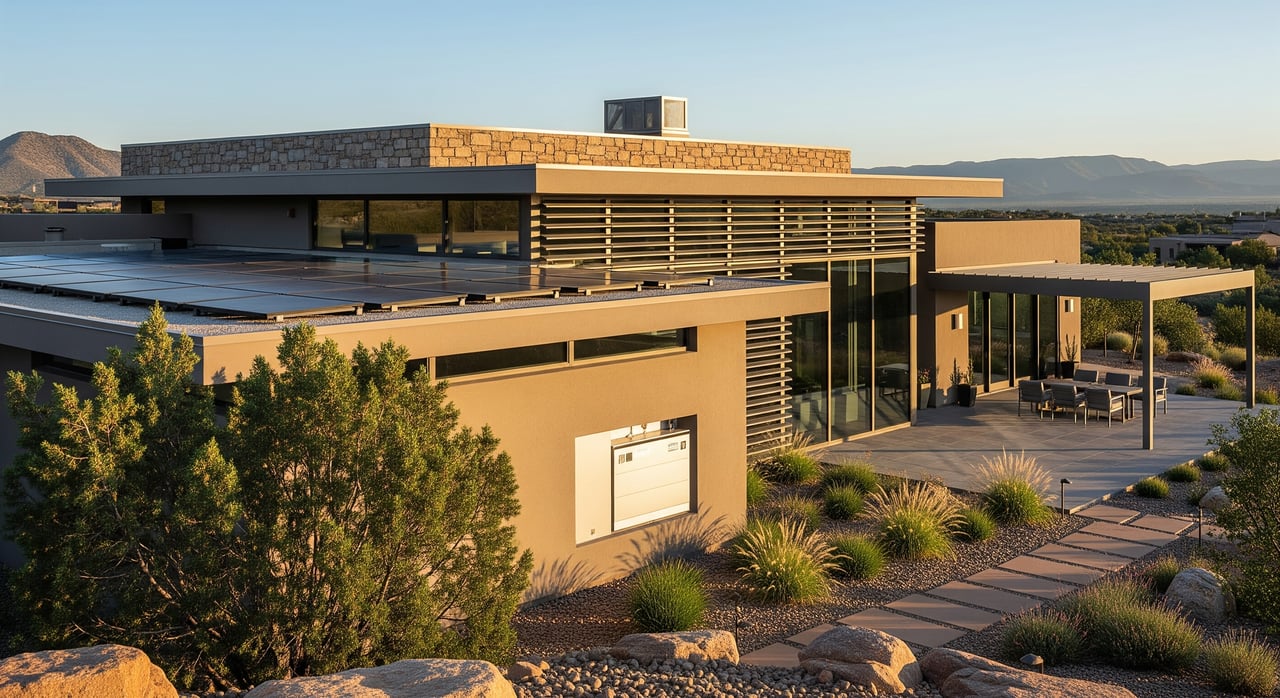
Cold nights, bright days, and big temperature swings are part of Spring Valley life. If your home feels drafty after sunset or your bills spike in winter, you are not alone. The good news is a few energy‑smart upgrades can make your home more comfortable, more efficient, and more appealing to future buyers. In this guide, you will learn which improvements work best in Yavapai County’s high‑desert climate, how to plan your winter project timeline, and what to document for resale. Let’s dive in.
Spring Valley climate essentials
Spring Valley sits in Arizona’s high‑desert, with clear skies, dry air, and regular freezing nights in winter. Daytime sun can be warm, then temperatures drop fast after dark. That swing increases heat loss through air leaks, thin insulation, and single‑pane windows.
This climate shapes your upgrade priorities. Heating demand is meaningful in winter, so sealing and insulating pay off quickly. Cooling needs are moderate compared with Phoenix, but smart glazing and shading still help. With strong solar resources almost year‑round, planning for rooftop photovoltaics and even battery backup can add long‑term value and resilience.
Top upgrades that pay off
Air sealing and insulation
Start with the building envelope. Sealing gaps and adding insulation keeps heat inside on cold nights and reduces drafts that make rooms feel chilly. Common targets include the attic, rim joists, ducts, and penetrations around lights, plumbing, and vents.
Focus on the attic first, then rim joists, then walls where practical. Professional air sealing paired with a blower‑door test gives you measurable before‑and‑after results. Buyers respond well to visible comfort gains and documented improvements.
Quick checklist:
- Seal attic penetrations and top plates, then add insulation to recommended levels.
- Weatherstrip doors and attic hatches, and caulk window trim and baseboards where leaks are found.
- Seal and insulate ducts, especially if they run through unconditioned spaces.
Windows and exterior doors
If you still have single‑pane or leaky units, consider ENERGY STAR rated double‑pane low‑E windows. Low‑E coatings help retain heat at night and manage solar gain during the day. Tight, well‑installed frames cut infiltration that drives up winter bills.
Orientation matters in our sunny climate. South‑facing windows may warrant coatings that balance winter heat retention and controlled solar gain. Budget for professional installation to avoid gaps and thermal bridging around frames.
Heating systems that fit our winters
Modern cold‑climate air‑source heat pumps are built to deliver efficient heat at lower outdoor temperatures. They provide heating and cooling in one system, which simplifies maintenance and can trim energy use compared with older electric resistance or aging furnaces.
If you have natural gas and want extra assurance on the coldest nights, a hybrid setup that pairs a heat pump with a high‑efficiency gas furnace is a solid option. Check ductwork size and condition before swapping equipment so the new system performs as designed.
Smarter water heating
Heat pump water heaters can cut water heating costs when placed in suitable spaces and climates. Insulating hot‑water pipes and the tank jacket, where appropriate, adds low‑cost savings. High‑efficiency tankless systems are another option if a heat pump unit does not fit your layout.
Solar readiness, PV, and battery backup
With long, clear days, residential solar is a strong fit in Spring Valley. Even if you are not installing panels this year, make your home solar‑ready. That means assessing roof age and structure, planning a south‑facing array location, and running conduit to the electrical panel during other work.
If you plan to install PV, consider battery storage for outage resilience and bill management. Buyers often value systems that reduce operating costs and add self‑sufficiency, especially on rural properties. Coordinate roof work and PV so you are not removing panels for a re‑roof a few years later.
Smart controls and zoning
Smart thermostats and simple zoning can unlock extra savings once your envelope and HVAC are dialed in. Thoughtful schedules match our cool nights and sunny days, and remote control is handy for second homes or winter travel. Whole‑home energy monitors can also provide usage insights you can share with buyers.
Ventilation and indoor air quality
As you tighten a home, plan for balanced, controlled ventilation. Depending on your design, options include ERV or HRV systems, upgraded filtration, and local exhaust fans. Whole‑house fans can help during shoulder seasons when evenings cool down quickly.
Roofing, attic ventilation, and solar mounting
A durable, code‑compliant roof with proper attic ventilation makes your insulation perform better and protects long‑term value. In wildfire‑prone parts of Arizona, materials and mounting choices matter for safety and insurance. If you are planning solar, use mounting methods that preserve roof integrity and follow local fire and building guidance.
Costs, incentives, and payback
Every home is different, so start with a professional energy audit that includes a blower‑door test. An audit gives you a prioritized plan with modeled savings, which helps you decide what to do first and what to budget for later.
As a rule of thumb in our market, envelope upgrades like air sealing, duct sealing, and attic insulation deliver fast comfort gains with lower upfront costs. Window replacements and HVAC conversions cost more but can pay off over time, especially when older systems need replacement anyway. Solar with battery storage sits in the higher‑investment category, yet it can add strong long‑term value and resilience.
Look into incentives before you start. Federal programs under recent legislation may offer tax credits for measures like heat pumps, insulation, and solar. State and local utility rebates can help with heat pumps, water heaters, insulation, and smart thermostats. Confirm current eligibility and caps with official resources such as the IRS, the U.S. Department of Energy, Arizona state energy offices, your specific utility provider, and local permitting offices.
Make upgrades market ready
If you may sell in the next few years, plan to document your improvements. Clear records help buyers understand what you did, why it matters, and how it affects comfort and monthly costs.
What to keep on file:
- Energy audit summary, including blower‑door results and any home energy scores.
- Receipts, warranties, and permit numbers for HVAC, windows, water heaters, roofing, and solar.
- Utility bill history that shows usage before and after major upgrades.
- Manufacturer and model information for major systems and a simple maintenance log.
Listing tips that resonate in Spring Valley:
- Highlight comfort first, such as fewer drafts and warmer rooms at night after air sealing and insulation.
- Note efficiency upgrades with specifics, like “cold‑climate heat pump installed in 2024, see audit for modeled savings” or “attic insulated and blower‑door tested.”
- If you added solar, include system size, inverter details, and monitoring screenshots that show production.
Your winter project timeline
A clear plan helps you avoid delays and get the most from each step. Sequence matters, since envelope upgrades can allow smaller, more efficient HVAC systems.
Early fall:
- Schedule an energy audit and roof inspection.
- Review federal, state, and utility incentives and any deadlines.
Late fall:
- Complete attic insulation and major air sealing before peak winter use.
- Start duct sealing and weatherstripping.
Winter:
- Install heat pumps or upgrade HVAC on milder days when contractors have availability.
- Add a smart thermostat, zoning dampers if needed, and an energy monitor.
Late winter or spring:
- If your roof is near end of life, replace it, then proceed with PV installation or solar‑ready conduit runs.
- Finalize utility interconnection and any HOA approvals for solar.
Year‑round:
- Save permits, warranties, and monitoring data.
- Keep simple maintenance records for HVAC, water heater, and roofing.
Contractor and permitting tips
For HVAC, electrical, structural, and solar, permits are typically required. Inspections protect you today and support a smoother resale later. Ask contractors about their experience with high‑desert homes, cold‑climate heat pumps, and attic insulation best practices.
Check references, licensing, and insurance in Yavapai County. For roofing and solar near wildfire‑prone areas, confirm materials and mounting align with local fire and building code guidance. If you are planning PV, verify utility interconnection requirements early to avoid delays.
Next steps
You do not have to tackle everything at once. Start with an audit, tighten the envelope, then plan equipment and solar around your budget and timing. A thoughtful sequence will improve winter comfort now and position your home as a standout when you decide to sell.
If you want local contractor referrals, a second opinion on priorities, or help showcasing upgrades in a listing, reach out to the team at Rockman Homes. We are your Prescott and Yavapai County real estate concierge, and we are ready to help you make a smart plan for your home.
FAQs
What should I upgrade first in a Spring Valley home?
- Start with professional air sealing, attic insulation, and duct sealing, since these reduce heat loss on cold nights and improve comfort quickly.
Are cold‑climate heat pumps reliable for Yavapai County winters?
- Yes, modern cold‑climate air‑source models are designed for lower outdoor temperatures and can efficiently heat and cool when properly sized and installed.
Do low‑E windows help in both winter and summer here?
- Low‑E double‑pane windows reduce radiant heat loss on winter nights and help manage daytime solar gain, improving comfort year‑round.
Is rooftop solar worth it in Spring Valley’s high‑desert sun?
- The area’s strong solar resource makes PV compelling for bill savings and resilience, especially when coordinated with roof condition and orientation.
How do I show buyers the value of my energy upgrades?
- Provide your audit summary, permits, warranties, and a simple before‑and‑after utility bill comparison, plus any ratings or monitoring reports.
When should I plan PV if my roof is aging?
- Replace an older roof before installing panels, then add solar to avoid future removal and re‑installation costs.
What incentives might be available for heat pumps and insulation?
- Federal tax credits and utility or state rebates may apply, but programs change, so confirm current details with the IRS, energy agencies, and your utility.