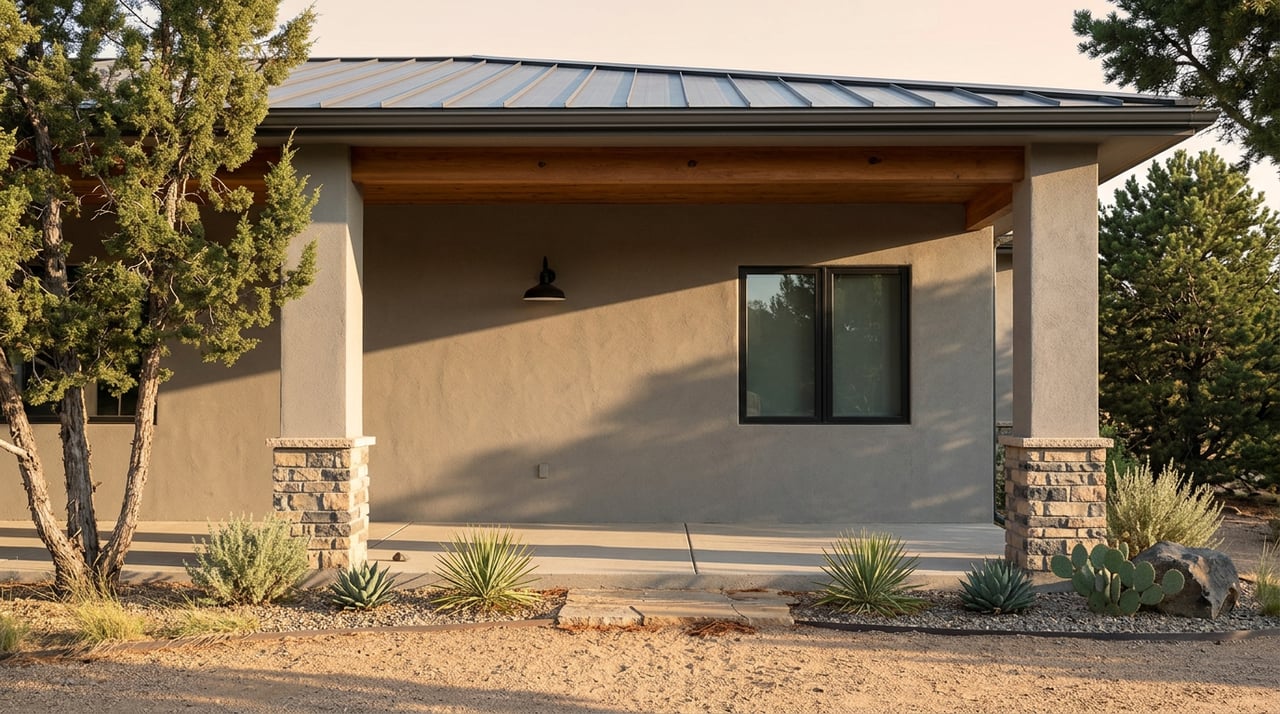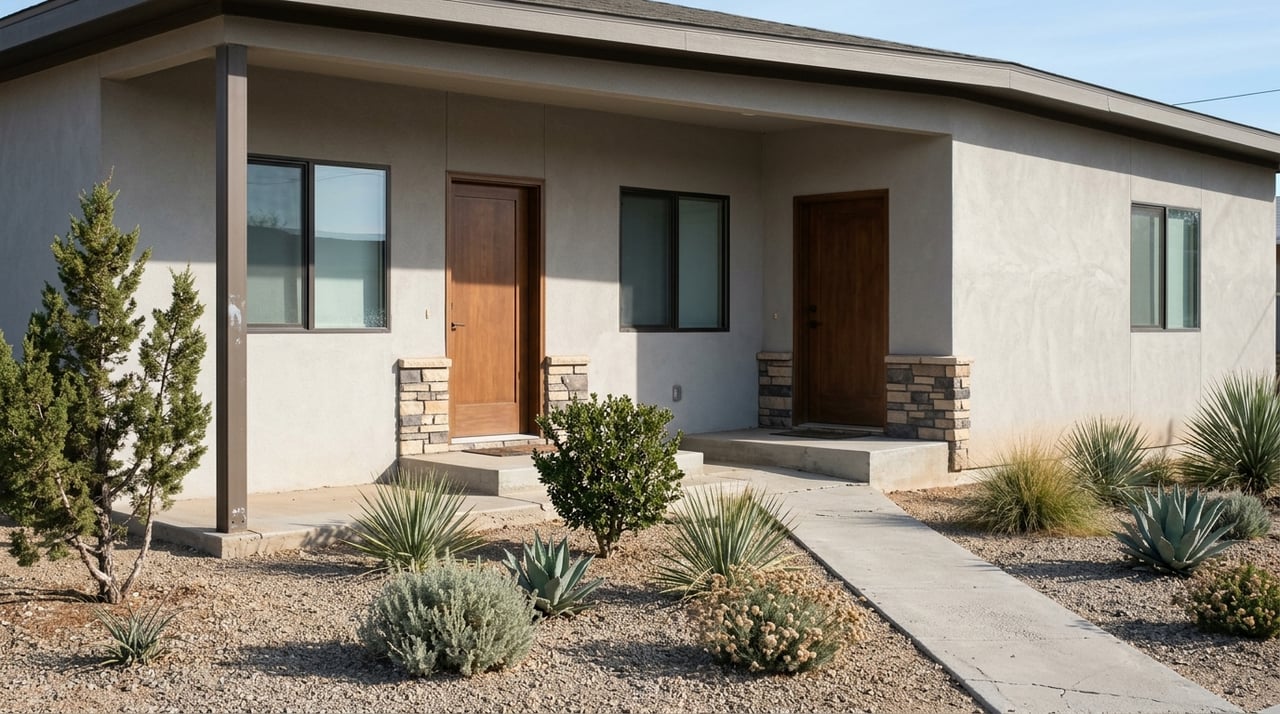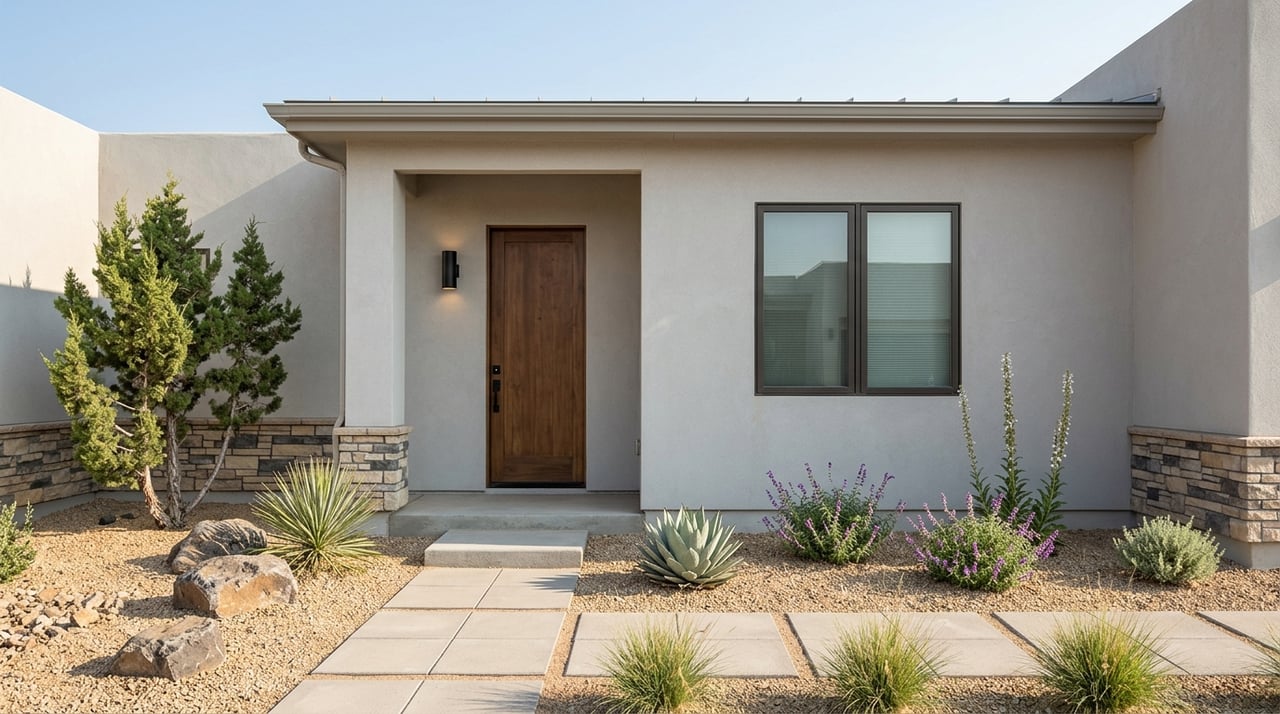
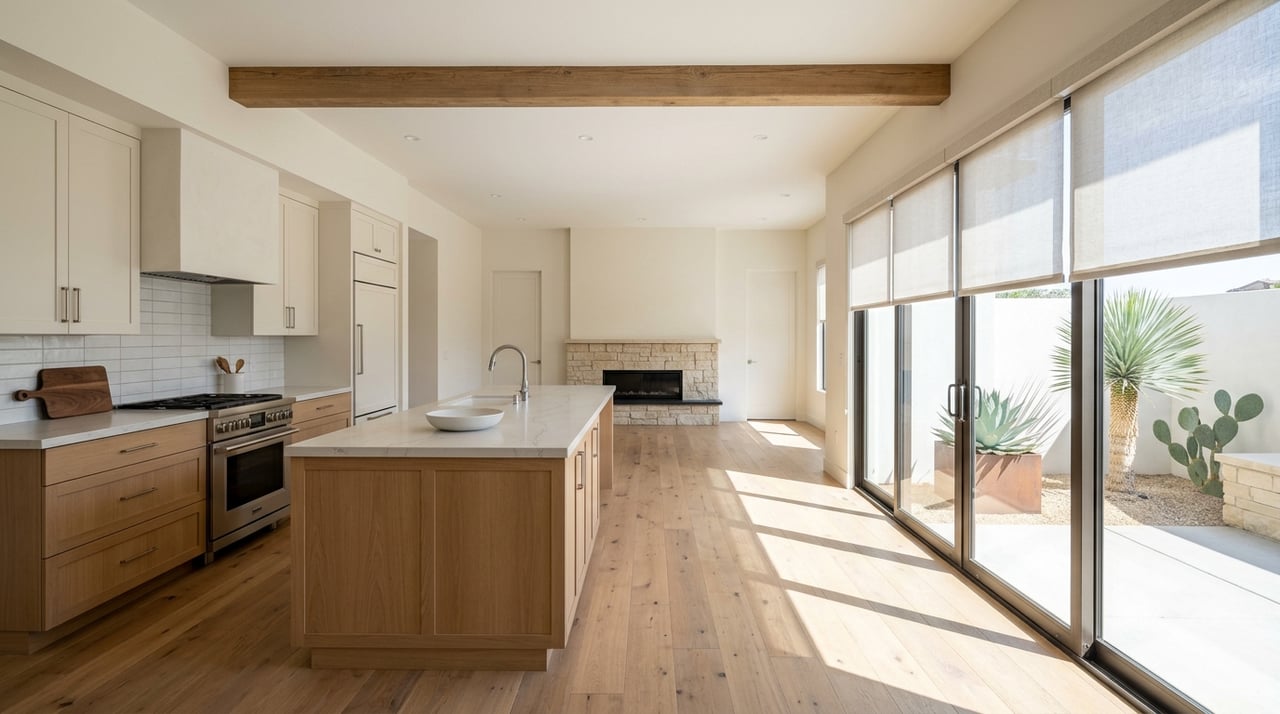
Thinking about selling your current home and buying a larger one in Prescott? That move can feel exciting, but it also comes with more moving parts than many homeowners expect. In today’s Prescott single-family market, the challenge is not just selling well. It is also making sure your next purchase fits your budget, timing, and long-term plans. Let’s dive in.
Prescott Market Conditions
If you are moving up in Prescott, it helps to start with a clear picture of the market you are selling into and buying into. Current data points to a market that is active, but not frantic. That means buyers have options, and sellers still have opportunity when a home is priced and presented well.
Redfin describes Prescott as somewhat competitive, with homes taking about 54 days to sell and a median sale price of $613,083 over the three months ending May 2026. Realtor.com’s May 2026 snapshot shows 1,619 homes for sale, a median listing price of $788,000, a median sold price of $674,900, a 59-day median days-on-market figure, and a 98% sale-to-list ratio. PAAR’s May 2026 MLS release also shows sales up 16.6% year to date, new listings down 7.1%, a median sold price of $621,000, and median days on market of 42.
The exact numbers vary by source, but the practical takeaway is consistent. Prescott is selective, not stalled. Buyers are active, yet they are looking closely at price, condition, and terms before making offers.
Why Moving Up Feels Harder Now
For many homeowners, the biggest surprise is not selling the current home. It is realizing how much more the replacement home may cost. In Yavapai County, the assessor reported a 2025 single-family median sale of $549,000 countywide, while Prescott’s median home price was $635,000 and Prescott Valley’s was $480,000.
That gap matters if you want to stay in Prescott and buy a larger or more upgraded single-family home. Even if you have built good equity, the next home may require a bigger down payment, a higher monthly payment, or both. The jump can be even larger if you want more square footage, a newer home, or premium finishes.
Prescott’s housing profile adds another layer. The city’s consolidated plan says 68.1% of homes are owner-occupied, 67.1% of the housing stock is single-family detached, and 8.5% of units are seasonal. The same plan notes that since 2019, single-family prices increased 63%.
That means move-up inventory can be competitive in a different way than a fast seller’s market. You may not be fighting ten offers at once, but you are still shopping in a market where affordability has changed a lot in a short time.
Start With Your Budget
Before you list, get clear on what you can comfortably buy next. A move-up plan works best when you treat the sale and purchase as one connected strategy, not two separate transactions.
A preapproval letter is an important first step. According to the CFPB, a preapproval is a lender’s tentative willingness to lend up to a certain amount, and it often expires in 30 to 60 days. That timeline matters if you are trying to line up a sale, a purchase, and a closing date without unnecessary stress.
It also helps to compare lenders and understand what your offer may need to include. Fannie Mae notes that buyers should understand contingencies and key timing details such as the proposed closing date and offer expiration date. For you, that means knowing not only your top price, but also how flexible your financing and timeline need to be.
Questions To Answer Early
Before your home goes on the market, think through these basics:
- How much equity do you expect from your current sale?
- How much cash will you need for your next down payment and closing costs?
- What monthly payment feels realistic for your household?
- Do you need the sale proceeds from your current home to buy the next one?
- How much timing flexibility do you have if closings do not line up perfectly?
These answers shape everything that comes next, from pricing your current home to writing a strong offer on the next one.
Timing The Sale And Purchase
The timing side of a move-up sale is where many homeowners feel the most pressure. You are trying to avoid carrying two homes at once, but you also do not want to sell first and feel rushed into a replacement purchase.
Most purchase contracts include important dates and contingencies. Fannie Mae notes that common terms include the inspection period, the closing date, and any financing or inspection contingencies that must be met before closing. Because many contingencies benefit the buyer, your replacement-home plan needs enough room for normal delays.
That is why a backup plan matters. If your current home sells before your next purchase is ready, you may need a short-term housing solution or a closing timeline with some flexibility. If your purchase depends heavily on your sale proceeds, your offer strategy may need to reflect that reality from the start.
Timing Tips For Move-Up Sellers
A more organized timeline can make the entire process smoother:
- Get preapproved before listing.
- Estimate your likely net proceeds from the sale.
- Decide how much overlap you can handle financially.
- Prepare for the possibility that your sale and purchase will not close on the same day.
- Review contract dates carefully once you are under contract on either side.
In a market where homes may take 42 to 59 days to sell depending on the data source, planning ahead can reduce pressure and improve your negotiating position.
Prep Your Prescott Home To Stand Out
In Prescott’s current market, presentation still matters a lot. Since buyers have real inventory to compare, homes that look clean, cared for, and move-in ready often have an advantage.
Fannie Mae’s selling guidance recommends a thorough inside-and-out inspection, needed repairs, cosmetic updates, routine maintenance, neutral staging, and minimal clutter. Those steps can improve how buyers respond when they first walk through the door or view the home online.
This does not mean you need to take on every major project. It means focusing on the items that affect first impressions, buyer confidence, and the inspection process. If a home sits too long, sellers may need to reduce the price or offer incentives such as paying closing costs.
Smart Pre-Listing Focus Areas
Before listing, prioritize these areas:
- Deferred maintenance that buyers are likely to notice
- Simple cosmetic updates that improve overall appearance
- Yard cleanup and exterior touch-ups
- Decluttering and neutral presentation
- Disclosure documents and repair records
A well-prepared home can help you protect value and avoid preventable negotiation issues later.
Disclosures And Inspection Readiness
Disclosure readiness is especially important if your home is older. If your property was built before 1978, federal rules require sellers to disclose known lead-based paint hazards, provide the required pamphlet, include required contract language, and give buyers time to conduct a lead inspection before contract ratification.
Arizona guidance also identifies failure to disclose material facts as a common complaint area. Buyers are advised to read the seller’s disclosure report and purchase contract carefully and to consider termite and professional inspections.
For you, the lesson is simple. Complete, timely disclosures help reduce surprises. They also support a smoother contract process once your home is under agreement.
Plan For Closing Day Early
A move-up transaction does not feel real until the final week, and that is exactly when details matter most. The CFPB says the Closing Disclosure includes the final loan details and must be provided by the lender at least three business days before closing.
That waiting period is there for a reason. Reviewing your closing documents in advance gives you time to catch errors, confirm costs, and make sure funds and logistics are ready before signing day.
If you are selling and buying at the same time, this step becomes even more important. A small delay on one side can affect the other, so staying organized near the finish line can help keep both transactions on track.
A Better Way To Approach A Move-Up Sale
Selling and moving up in Prescott is possible, but it usually works best when you go in with a plan. The current market gives buyers choices, which means your home needs to be positioned carefully. At the same time, the next home may cost more than expected, especially if you want to stay in Prescott and move into a larger single-family property.
That is why the smartest move is to think beyond the listing date. When you line up your budget, timing, home prep, disclosures, and backup plans early, you put yourself in a stronger position to make a confident move.
If you are weighing a move-up sale in Prescott, Rockman Homes can help you build a clear strategy around pricing, timing, local market conditions, and the logistics of your next step.
FAQs
Is Prescott a buyer’s market or seller’s market for single-family homes?
- Current data suggests Prescott is active but selective. Redfin calls it somewhat competitive, Realtor.com labels it a buyer’s market, and PAAR data shows steady sales activity with moderate days on market.
What should Prescott move-up sellers do before listing their current home?
- Start with preapproval, estimate your likely sale proceeds, prepare a realistic pricing strategy, handle key repairs, declutter, and get your disclosures in order.
Why is moving up in Prescott harder than many sellers expect?
- Many homeowners have equity, but replacement homes in Prescott can cost significantly more than their current property, especially if they want more size, newer finishes, or a similar location.
How long do single-family homes take to sell in Prescott?
- Recent data sources place median time on market in roughly the 42- to 59-day range, depending on the source and geography used.
What do Prescott buyers pay closest attention to when reviewing a home?
- Buyers often focus on price, condition, disclosures, inspection results, and closing terms, especially in a market where they have more inventory to compare.
What closing detail matters most when selling and buying in Prescott at the same time?
- One of the most important details is reviewing your closing timeline early, including the Closing Disclosure for your new loan, so you can catch issues before they affect both transactions.