If keeping up with a big yard, constant exterior chores, or a more complicated property feels less appealing than it used to, you are not alone. In Prescott Valley, many buyers are looking for a home that supports an easier lifestyle without giving up comfort, community, or convenience. The good news is that you have several low-maintenance living options here, and each one offers a different balance of upkeep, amenities, and ownership structure. Let’s dive in.
Why low-maintenance living fits Prescott Valley
Prescott Valley is a natural place to talk about simpler homeownership. According to U.S. Census QuickFacts, 29.9% of residents are age 65 or older, 72.3% of housing units are owner-occupied, and the median value of owner-occupied homes is $413,200.
That local profile helps explain why downsizing and easier living are such common goals. Compared with nearby Prescott, where the median owner-occupied home value is higher at $564,100, Prescott Valley often stands out as a more affordability-oriented option for buyers who want to simplify.
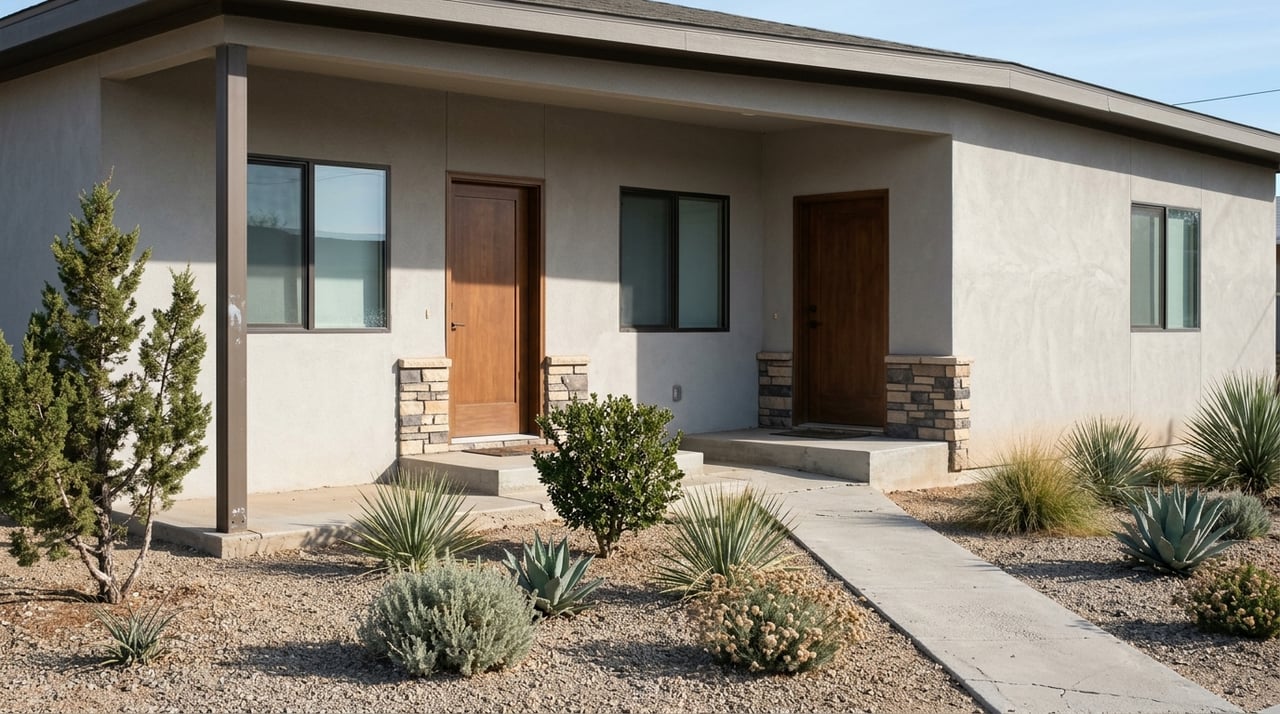
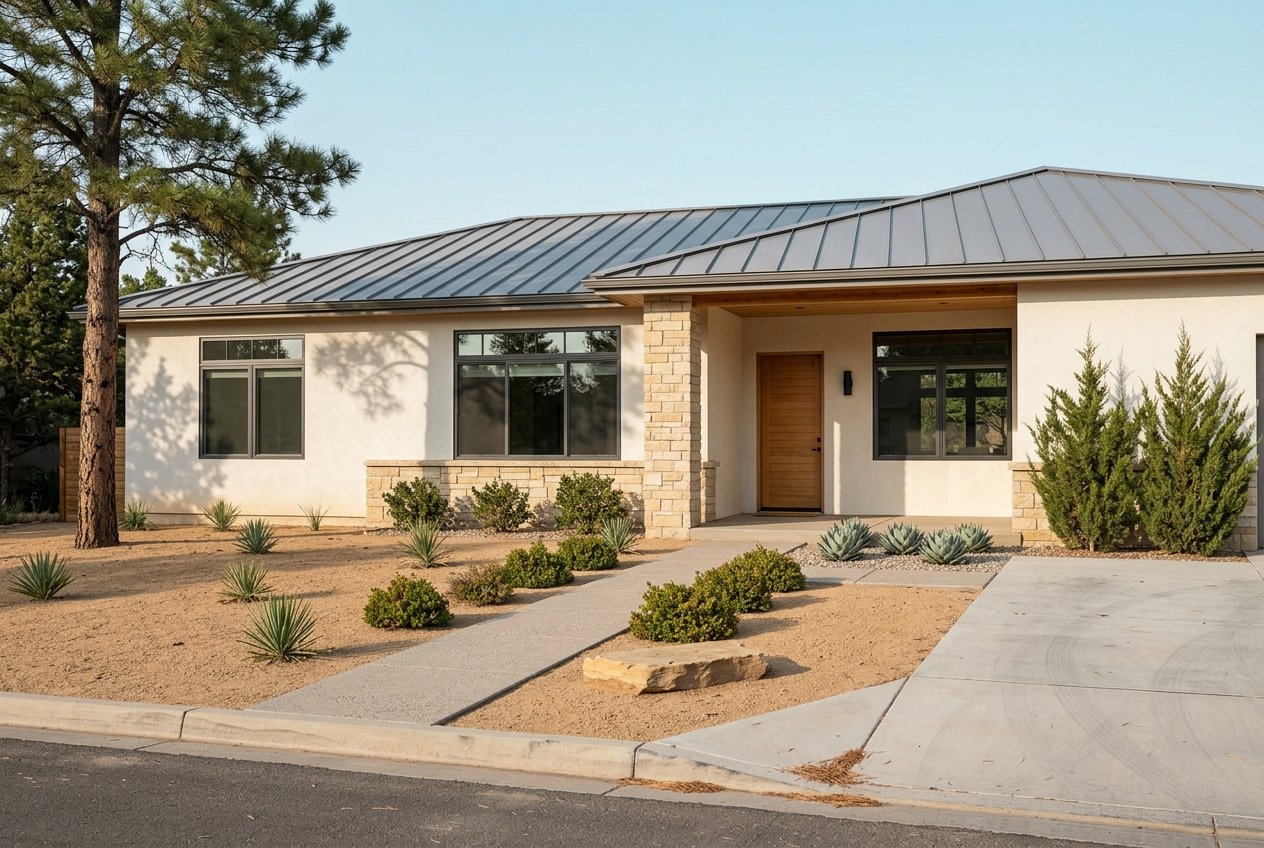
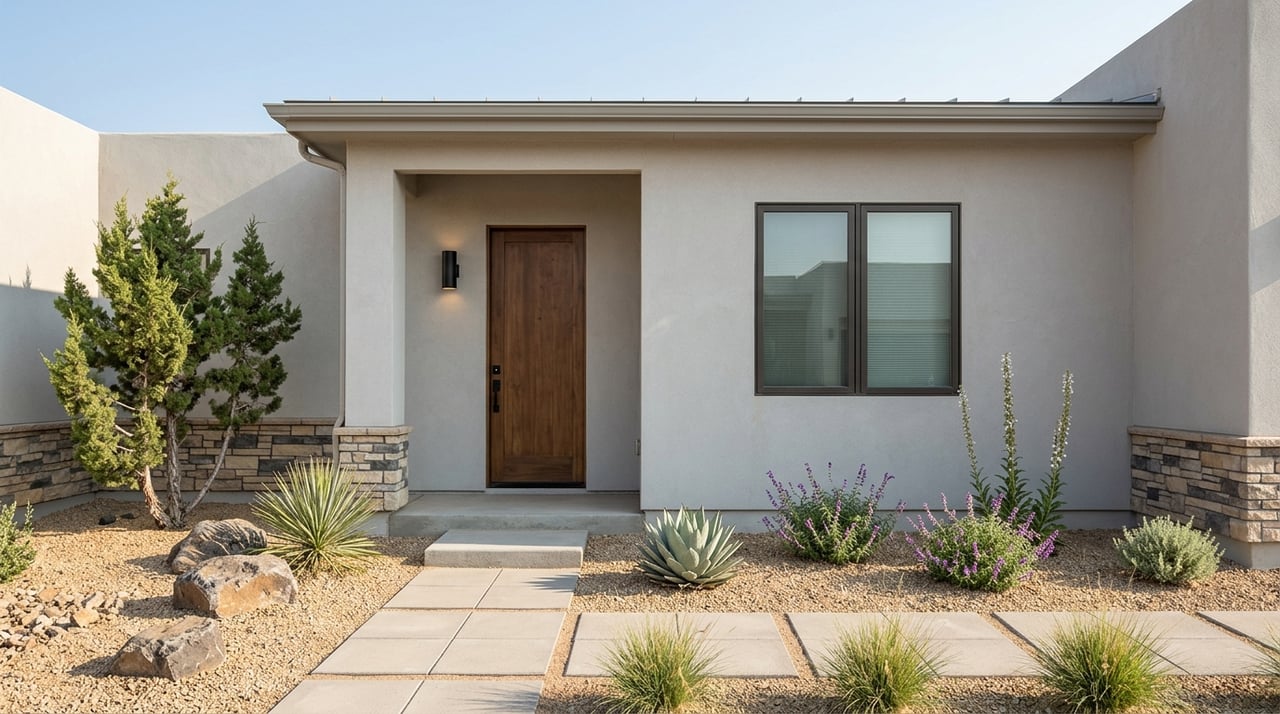
Climate also plays a role. Nearby Prescott climate normals show 16.46 inches of annual precipitation, 10.2 inches of annual snowfall, an average July high of 89.6 degrees, and an average January high of 52.6 degrees. In a high-desert setting like this, many buyers prefer smaller yards and simpler landscaping.
The Arizona Department of Water Resources also notes that low-water-use and drought-tolerant landscaping is an effective water-conservation tool. That makes low-maintenance living in Prescott Valley about more than convenience. It can also support a more practical approach to outdoor upkeep.
Townhomes and patio homes
If you want less exterior responsibility and a more structured neighborhood feel, townhomes and patio homes are often the first places to look. These properties can be a strong fit if you want a private home environment with less day-to-day outdoor work than a larger detached house might require.
A local example is Greater Granville, where 2024 rules specifically address townhomes and HOA shared common areas. The rules state that owners must comply with the CC&Rs, patio homes require ARC approval for exterior changes, fencing, and front landscaping, and townhomes are assigned one covered parking space plus unrestricted parking spaces.
That setup can be appealing if you want a tidy, consistent environment and do not mind HOA oversight. It can also mean fewer surprises about how the neighborhood looks, but more rules around what you can change on the outside of your home.
Granville also shows why some buyers see low-maintenance living as a lifestyle choice, not just a chore-reduction plan. The community describes itself as a 1,200-plus-acre master-planned community with three clubhouses, three pools and spas, multiple fitness centers, parks, ball fields, multi-sports courts, and a dog park.
Smaller single-family homes in HOAs
Low-maintenance living does not always mean attached housing. In Prescott Valley, some smaller single-family homes inside master-planned HOA communities can offer a simpler routine while still giving you the feel of a detached home.
This option often works well if you want your own walls, driveway, and yard, but would still like an organized community setting with shared amenities nearby. The key difference is that you still need to confirm what the HOA maintains and what remains your responsibility.
Pronghorn Ranch is one example. The community says monthly HOA dues support clubhouse access and amenities such as a heated year-round pool and spa, a seasonal pool and spa, tennis, pickleball, basketball courts, a putting green, barbecue grills, and a 24/7 fitness center.
Viewpoint North offers another variation on this theme. Viewpoint describes itself as Prescott Valley’s first master-planned community and highlights paved streets, gutters, streetlights, parks, open space, and schools.
StoneRidge gives buyers another master-planned option to consider. It describes an 1,800-plus-acre golf community with open space, trails, and nearby shopping, medical facilities, and restaurants.
For many buyers, these neighborhoods feel easier to live in because they combine homeownership with nearby amenities and a more coordinated community environment. Still, it is important to remember that “low maintenance” does not automatically mean “no maintenance.” You should ask for a clear breakdown of what exterior work, landscaping, or repair tasks are still yours.
Manufactured homes and 55+ options
If your goal is to cut yard work, simplify expenses, or find a lifestyle-oriented setting, manufactured homes and 55+ communities may belong on your list. Prescott Valley has options that can appeal to downsizers, second-home buyers, and anyone who wants a more manageable home setup.
Desert Pines Resort markets itself as a 55+ lifestyle community with resort-style manufactured homes. It says the community includes a clubhouse, pickleball courts, a swimming pool, a dog park, storage, and paved streets with lights.
Mulberry Farms is another local option, but it has a different structure. It is a 55+ active-adult rental-home community in Prescott Valley and advertises attached garages, private driveways, enclosed yards, storage, washer and dryer packages, and amenities such as a walking and running trail, heated pool, pickleball, dog park, clubhouse, bocce, and billiards.
That distinction matters. Some manufactured-home communities involve ownership of the home and land, while others may involve leasehold or rental arrangements rather than fee-simple ownership of both.
If you are comparing these options, make sure you understand exactly what you are buying or renting. A lower-maintenance lifestyle can look very different depending on whether you own the lot, lease the land, or rent the home.
What low-maintenance really means
One of the biggest mistakes buyers make is assuming that low-maintenance means the same thing in every community. In reality, it can mean anything from a very small private yard to extensive HOA oversight to a rental arrangement with amenities included.
Before you decide, think about how much exterior work you actually want to do. You may be happy to water a small yard and keep a patio neat, or you may want almost no exterior chores at all.
It also helps to define what kind of tradeoff feels right to you. Some buyers are comfortable paying HOA dues if it means a more structured setting and access to amenities. Others would rather keep monthly fees lower and handle more tasks themselves.
Ownership and HOA questions to ask
Arizona buyers in planned communities and condominiums should expect specific disclosures. The Arizona Department of Real Estate says a Public Report must be provided before a buyer signs a new-subdivision purchase contract, and it notes that CC&Rs can restrict landscaping, RV parking, play equipment, satellite antennas, and common amenities.
Arizona statutes also cap HOA resale-disclosure and lien-estoppel fees at an aggregate $400, with limited rush and update fees allowed. That is useful to know as you budget for closing and compare one community with another.
If you are looking at a rental property inside a planned community, Arizona law also limits what the association can require a member or agent to disclose about tenants. That may matter if you are thinking about future flexibility, especially for a second home or investment-minded purchase.
When you tour homes, ask direct questions like these:
- What exterior maintenance is handled by the HOA, if any?
- Is the yard private, shared, or HOA-maintained?
- Are monthly costs HOA dues, land rent, or both?
- Are there age restrictions in the community?
- What are the rules for RV parking, rentals, or guests?
- Do exterior changes need approval?
- What are the parking rules for owners and visitors?
These answers can shape your daily experience as much as the floor plan itself. A home that looks simple on the surface can still come with rules or costs that change how “easy” it feels once you move in.
Manufactured-home details to verify
Manufactured homes deserve a little extra review before you commit. HUD states that homes built after June 15, 1976 must be certified to federal manufactured housing standards.
That does not make a manufactured home better or worse than a modular or site-built home. It simply means you should verify the type of home, the ownership model, and any community rules before moving forward.
In practical terms, Prescott Valley buyers should confirm:
- Whether the home is manufactured, modular, or site-built
- Whether you own the land, lease the lot, or rent the property
- Whether the community has HOA rules or park rules
- Whether parking, landscaping, rentals, or exterior changes are restricted
This is especially important if you are trying to keep future costs predictable. A home with a lower purchase price may still come with monthly lot rent or community rules that affect your plans.
Lifestyle matters too
Low-maintenance living is not only about reducing chores. In Prescott Valley, it is often tied to convenience, recreation, and easier access to day-to-day services.
The town’s resident guide points readers to parks, trails, the PV Active Adult Center, Yavapai Regional Medical Center, NextCare Urgent Care, water and sewer services, and town utilities. For many buyers, those nearby resources are part of what makes a simpler home feel like a better fit.
That is why the best low-maintenance option is not always the one with the fewest tasks. It is the one that supports the way you want to live, whether that means traveling more, downsizing thoughtfully, or spending less time on upkeep and more time enjoying Prescott Valley.
If you are weighing townhomes, HOA single-family homes, manufactured homes, or 55+ communities in Prescott Valley, a local, detail-focused review can save you time and help you avoid surprises. To talk through your options and find the right fit for your goals, reach out to Rockman Homes.
FAQs
What are low-maintenance living options in Prescott Valley?
- Common options in Prescott Valley include townhomes, patio homes, smaller single-family homes in master-planned HOA communities, manufactured homes, and some 55+ community properties.
What should you ask about HOA maintenance in Prescott Valley?
- Ask what the HOA actually maintains, whether landscaping is included, what exterior changes need approval, and whether rules affect parking, rentals, or outdoor items.
What is the difference between a manufactured home and a rental home in Prescott Valley?
- A manufactured home may involve owning the home, and sometimes the land, while a rental home community usually means you are leasing the property rather than buying it.
What should buyers verify in Prescott Valley 55+ communities?
- You should verify the ownership structure, monthly costs, age restrictions, amenity access, and any rules for guests, parking, rentals, or exterior modifications.
Why do some Prescott Valley buyers prefer smaller yards and simple landscaping?
- Many buyers prefer them because they can reduce upkeep, support water-conscious outdoor design, and better match a simpler lifestyle in Prescott Valley’s high-desert climate.